
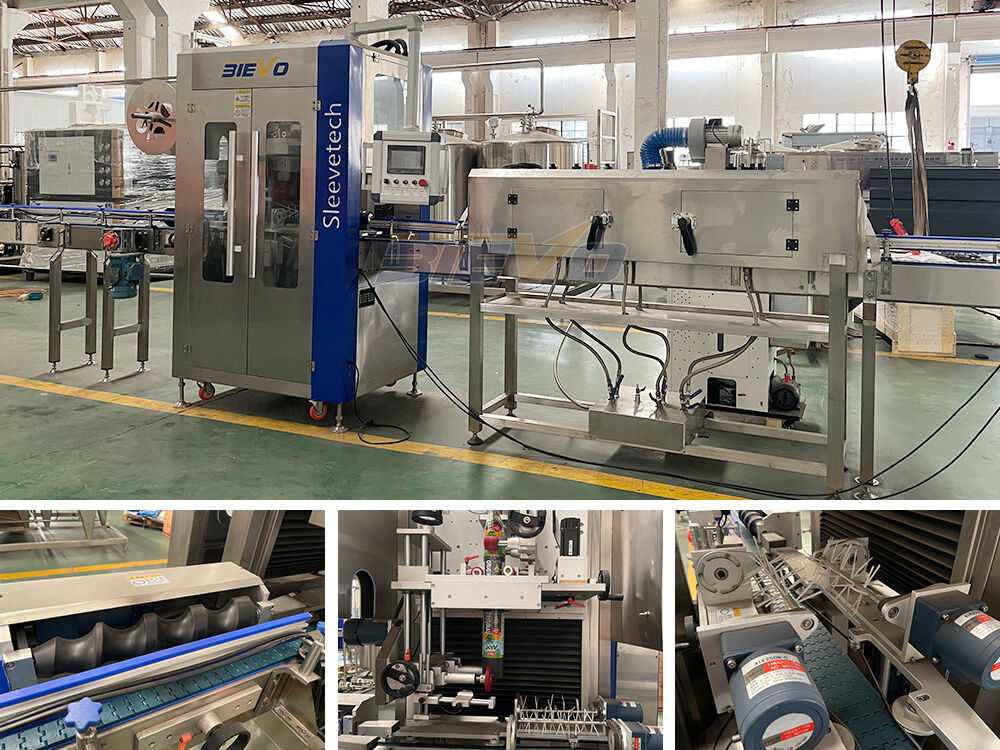
ပေါင်းစပ်ထားသော အရက်ဖြည့်စွက်မှု ကင်းလိုင်းစနစ်များသည် အတားအဆီးများကို မည်သို့ဖျက်သိမ်းပေးပြီး OEE ကို မည်သို့မြင့်တင်ပေးသည်ကို သိရှိရန်
စနက်ရှရှန်းဖော်မော်ဒျူးအချင်းချင်း အလုပ်လုပ်နိုင်မှု - ဖြည့်သွင်းစက်များ၊ ပိတ်မှုန်းစက်များနှင့် လိပ်စ်ကပ်စက်များတွင် အလုပ်မလုပ်နိုင်သည့် အချိန်များကို လျော့နည်းစေခြင်း
ခေတ်သစ် အရက်အိုးများ ထုတ်လုပ်ရေးလိုင်းများတွင် အပြည့်အဝဖြည့်ခြင်း၊ တံဆိပ်ခတ်ခြင်းနှင့် တံဆိပ်တပ်ခြင်း မော်ဂျူးများအကြား အဆက်မပြတ် ညှိနှိုင်းမှုဖြင့် ထိရောက်မှု အမြင့်ဆုံးရရှိနိုင်သည်။ ဤအပိုင်းများ သီးခြားလုပ်ဆောင်သောအခါ အနားယူမှုတိုသည်လည်း သိသာသော downtime သို့ရောက်ရှိလာသည်။ လေ့လာမှုများအရ ကွဲပြားသော အလုပ်အကိုင်စီးကြောင်းများသည် သောက်စရာထုတ်လုပ်မှုတွင် နှစ်စဉ်ထုတ်လုပ်မှု ၁၇% ဆုံးရှုံးစေကြောင်းပြသထားသည် (Food Engineering 2023) ။ ပေါင်းစည်းထားတဲ့ စနစ်တွေက OPC UA လို စံသတ်မှတ်ထားတဲ့ ဆက်သွယ်ရေး ပရိုတိုကောလ်တွေသုံးပြီး ဒီကွဲပြားမှုကို ဖယ်ရှားပေးပြီး မော်ဂျူးတွေအကြားမှာ အချိန်နဲ့တပြေးညီ အမြန်နှုန်းပြင်ဆင်မှုကို လုပ်ပေးပါတယ်။ ဥပမာ၊ အပိတ်စက်ဟာ ခဏခဏ နှေးလာရင် ပြည့်စရာတွေက အပြည့်အဝ မပြည့်ဖို့ ထုတ်လွှတ်မှုကို အလိုအလျောက် လျှော့ချပြီး တံဆိပ်ထိုးစက်တွေက ထုတ်လွှတ်မှုကို ထိန်းသိမ်းဖို့ ညှိနှိုင်းပါတယ်။ ဒီပြန်လည်သုံးဆောင်နိုင်မှုကြောင့် micro-stoppages တွေနဲ့ buffer overflow တွေကို အနည်းဆုံးထိ လျှော့ချနိုင်ပြီး စုစုပေါင်းကိရိယာ ထိရောက်မှုကို (OEE) ၂၃% အထိ မြှင့်တင်နိုင်ပါတယ် အနည်းဆုံး အကာအကွယ်ဇုန်များဖြင့် အကောင်းဆုံး စီမံကိန်းချထားခြင်းသည် စက်မှုလုပ်ငန်း၏ ထုတ်ကုန်ထုတ်လုပ်မှု ဆန်းစစ်ချက်များမှ အတည်ပြုထားသည်အတိုင်း ဝပ်ကျပ်နေခြင်းကို ပိုမိုကာကွယ်ပေးသည်။
OPC UA နှင့် MES မှ မောင်းနေသော အချိန်နှင့်တစ်ပါက စောင်းကြောင်းစောင်းကြောင်း စောင်းကြောင်းစောင်းကြောင်း စောင်းကြောင်းစောင်းကြောင်း စောင်းကြောင်းစောင်းကြောင်း စောင်းကြောင်းစောင်းကြောင်း စောင်းကြောင်းစောင်းကြောင်း စောင်းကြောင်းစောင်းကြောင်း စောင်းကြောင်းစောင်းကြောင်း စောင်းကြောင်းစောင်းကြောင်း စောင်းကြောင်းစောင်းကြောင်း စောင်းကြောင်းစောင်းကြောင်း စောင်းကြောင်းစောင်းကြောင်း စောင်းကြောင်းစောင်းကြောင်......
OPC UA ချိတ်ဆက်မှုကို ထုတ်လုပ်မှု အကောင်အထည်ဖော်ရေးစနစ် (MES) နှင့် ပေါင်းစပ်ခြင်းဖြင့် အပေါ်ယံသော ပြုပြင်မှုမှ ကြိုတင်ကာကွယ်ရေး လုပ်ဆောင်မှုသို့ ပြောင်းလဲနေပါသည်။ လိုင်းတစ်လျှောက်ရှိ စက်မှုစနစ်များသည် ဗိုင်ဘရေးရှင်း၊ အပူချိန်နှင့် ဖြည့်သွင်းမှု တိကျမှုတို့ကို အဆက်မပြတ် စောင်းကြောင်းစောင်းကြောင်း စောင်းကြောင်းစောင်းကြောင်း စောင်းကြောင်းစောင်းကြောင်း စောင်းကြောင်းစောင်းကြောင်း စောင်းကြောင်းစောင်းကြောင်း စောင်းကြောင်းစောင်းကြောင်း စောင်းကြောင်းစောင်းကြောင်း စောင်းကြောင်းစောင်းကြောင်း စောင်းကြောင်းစောင်းကြောင်း စောင်းကြောင်းစောင်းကြောင်း စောင်းကြောင်းစောင်းကြောင်း စောင်းကြောင်းစောင်းကြောင်း စောင်းကြောင်းစောင်းကြောင်......
အသေးစိတ်ပြောင်းလဲနိုင်သော အရက်နှင့် အချိုသော အဖျော်ယမက်များ ထည့်သွင်းရောင်းချရေး လိုင်းများ၏ အဆောက်အဦ ဒီဇိုင်းများ - ပေါ်လွင်သော ထုတ်လုပ်မှုလိုအပ်ချက်များအတွက်
အပိုင်းအစများဖွဲ့စည်းထားသော ဒီဇိုင်းများ၏ လက်တွေ့အသုံးချမှု - အသေးစိတ်အရက်နှင့် အချိုသော အဖျော်ယမက်များ ထုတ်လုပ်သူများသည် အသစ်သော စက်ရုံတည်ဆောက်မှု ရင်းနှီးမှုများ မလုပ်ဆောင်ဘဲ ထုတ်လုပ်မှုပမာဏကို ၄.၂ ဆ တိုးမှုရရှိခြင်း
မော်ဂျူလာအသေးစိတ် အရက်နှင့် အချိုရည်များ ဘူးထည့်စနစ်များသည် အသေးစိတ် ထုတ်လုပ်သူများအား အဆောက်အအုံအသစ်များ တည်ဆောက်ခြင်းမလုပ်ဘဲ ထုတ်လုပ်မှုကို အဆင့်ဆင့် တိုးချဲ့နိုင်စေပါသည်။ ဝယ်လိုအား တိုးလာသည်နှင့်အမျှ ဖြည့်စွက်ခြင်း၊ ပိတ်ခြင်း သို့မဟုတ် အမည်စွက်ခြင်း မော်ဂျူလ်များကို ထည့်သွင်းခြင်းဖြင့် လုပ်ငန်းများသည် အတိုင်းအတာရှိသော ထုတ်လုပ်မှုတိုးချဲ့မှုကို အောင်မြင်စွာ ရရှိနိုင်ပါသည်။ တစ်ခုသော မှတ်တမ်းတွင် ၁၈ လအတွင်း ၄.၂ ဆ တိုးပွားမှုကို မှတ်တမ်းတင်ထားပါသည်။ ထို့အပေါ် အသစ်တွင် အဆောက်အအုံတည်ဆောက်ရေး စရိတ်များနှင့် လုပ်ငန်းဆောင်တာများ အပ်နှက်ဖြစ်မှုကို ရှောင်ရှားနိုင်ပါသည်။ ဤအဆင့်ဆင့် ချဉ်းကပ်မှုသည် ရင်းနှီးမြှုပ်နှံမှုများကို ထိန်းသိမ်းပေးပြီး လုပ်ငန်းများကို အပ်နှက်မှုမရှိစေဘဲ ဆက်လက်လုပ်ဆောင်နိုင်စေပါသည်။ အသစ်ထည့်သွင်းသော အစိတ်အပိုင်းများသည် လုပ်ငန်းများ အပ်နှက်မှုမရှိစေရန် သတ်မှတ်ထားသော ပုံမှန် ပြုပြင်ထိန်းသိမ်းမှုအချိန်များအတွင်း လက်ရှိရှိန already အစီအစဥ်များနှင့် အလွယ်တကူ ပေါင်းစပ်နိုင်ပါသည်။ ဤစနစ်အမျိုးအစားသည် လုပ်ငန်းတစ်ခုလုံးကို အစားထိုးခြင်းမလုပ်ဘဲ နည်းပညာအသစ်များကို အဆင်ပေါင်းသွင်းနိုင်စေပါသည်။ ထို့ကြောင့် စက်ကိရိယာများ၏ အသက်တမ်းကို ရှည်လျားစေပြီး အချိန်ပိုင်း အပ်နှက်မှုနှင့် လိုက်လျောညီထွေရှိသော အရင်းအမြစ်များ ခွဲဝေမှုများကို အနည်းဆုံးဖြစ်စေခြင်းဖြင့် ROI ကို မြင့်တင်ပေးပါသည်။
အများစုအသုံးပြုနိုင်သော စွမ်းရည်- အလူမီနီယမ် ဘူးများ၊ PET နှင့် မှန်ဘူးများကြား ၉၀ မိနစ်အတွင်း အလွ easily လွယ်ကူစွာ ပြောင်းလဲနိုင်ပါသည်။
ခေတ်မှီ အဖျော်ယမက် ဘူးသိုလှောင်ခြင်း စက်ပစ္စည်းများသည် ယခင်က ရှေးနည်းစက်ပစ္စည်းများဖြင့် မဖြစ်နိုင်ခဲ့သော အိုးအမျိုးအစား ပြောင်းလဲမှု လွယ်ကူမှုကို ရရှိလာခဲ့ပါသည်။ ပရိုဂရမ်မ်သုံး ဆက်စပ်ချိန်ညှိမှုများနှင့် ကိရိယာများ မလိုအပ်သော servo-မောင်းသော ချိန်ညှိမှုများကို အသုံးပြုသည့် အလိုအလျောက် ပြောင်းလဲမှု ပရိုတိုကောလ်များမှတစ်ဆင့် ထုတ်လုပ်သူများသည် အလူမီနီယမ် ဘူးများ၊ PET ပုလင်းများနှင့် မှန်ဘူးများအကြား ၉၀ မိနစ်အောက်တွင် ပြောင်းလဲနိုင်ပါသည်။ ဤသည်မှာ ရှေးနည်း ပြောင်းလဲမှု ကာလများနှင့် နှိုင်းယှဉ်ပါက ၇၈% လျော့နည်းမှုဖြစ်ပါသည်။ စံသတ်မှတ်ထားသော အင်တာဖေးများသည် ဖြည့်စွက်မှု အမြင့်များ၊ ပိတ်မှု ပါရာမီတာများနှင့် ကုန်စည်သယ်ဆောင်ရေး အကျယ်များကို လက်ဖြင့် ပြန်လည်ချိန်ညှိမှုများ မလိုအပ်ဘဲ တစ်ပါတည်း လုပ်ဆောင်ပေးပါသည်။ ဤလွယ်ကူမှုသည် ရှားပါးသော ရှေးနည်း အမျိုးအစားများ၊ ကန့်သတ်ထားသော အမျိုးအစားများနှင့် အမျိုးမျိုးသော ပစ္စည်းများဖွဲ့စည်းထားသော ထုတ်ကုန်များကို တစ်ခုတည်းသော စက်ပစ္စည်းဖြင့် ထုတ်လုပ်နိုင်စေပါသည်။ ထို့အပ alongside စက်ပစ္စည်း အသုံးပြုမှု အချိန်ကို အများဆုံး အထိရောက်မှုဖြင့် မှန်ကန်စွာ အသုံးပြုနိုင်စေပါသည်။ ဤသည်မှာ SKU ဝယ်ယူမှု အမျိုးမျိုးနှင့် ထုတ်ကုန် သက်တမ်းများ တိုတောင်းလာခြင်းကြောင့် စက်မှုလုပ်ငန်းများအတွက် အရေးကြီးသော အချက်ဖြစ်ပါသည်။
ထုတ်လုပ်မှုနှုန်းကို ကျော်လွန်၍ ခေတ်မှီ အဖျော်ယမက် ဘူးသိုလှောင်ခြင်း စက်ပစ္စည်း၏ အမှန်တကယ်သော ROI ကို တိကျစွာ တွက်ချက်ခြင်း
စုစုပေါင်း ကုန်ကုန်ကုန်ကုန်ကုန်ကုန်ကုန်ကုန်ကုန်ကုန်ကုန်ကုန်ကုန်ကုန်ကုန်ကုန်ကုန်ကုန်ကုန်ကုန်ကုန်ကုန်ကုန်ကုန်ကုန်ကုန်ကုန်ကုန်ကုန်ကုန်ကုန်ကုန်ကုန်ကုန်ကုန်ကုန်ကုန်ကုန်ကုန်ကုန်ကုန်ကုန်ကုန်ကုန်ကုန်ကုန်ကုန်ကုန်ကုန်ကုန်ကုန်ကုန်ကုန်ကုန်ကုန်ကုန်ကုန်ကုန်ကုန်ကုန်ကုန်ကုန်ကုန်ကုန်ကုန်ကုန်ကုန်ကုန်ကုန်ကုန်ကုန်ကုန်ကုန်ကုန်ကုန်ကုန်ကုန်ကုန်ကုန်ကုန်ကုန်ကုန်ကုန်ကုန်ကုန်က......
သောက်စရာ အိတ်တန်းအတွက် တကယ့် ROI ဟာ ထုတ်ကုန်ထုတ်လုပ်မှု မက်ထရစ်တွေထက် အများကြီး ပိုပါတယ်။ ပိုင်ဆိုင်မှု ကုန်ကျစရိတ် စုစုပေါင်း (TCO) ဆန်းစစ်မှုက ပေါင်းစပ်ထားတဲ့ အမြင်စစ်ဆေးရေး စနစ်တွေနဲ့ AI မှ မောင်းနှင်တဲ့ ကြိုတင်ခန့်မှန်းမှု ပြုပြင်ထိန်းသိမ်းမှုတွေဟာ ပုန်းကွယ်နေတဲ့ လုပ်ငန်းကုန်ကျစရိတ်တွေကို ပစ်မှတ်ထားပြီး ၂၂ လအတွင်း ပြန်လည်ရရှိစေပုံကို ဖော်ပြပါတယ်။ အမြင်စစ်ဆေးမှုက အဏုပေါက်ပေါက်တွေ၊ ဖြည့်စွက်မှုအဆင့်အမှားတွေနဲ့ အမှတ်အသားအမှားတွေကို အချိန်နဲ့တပြေးညီ ရှာဖွေခြင်းအားဖြင့် ပြန်ခေါ်ယူမှု အန္တရာယ်နဲ့ အမှိုက်တွေကို ဖယ်ရှားပေးပြီး နှစ်စဉ်အရည်အသွေးနဲ့ ပတ်သက်တဲ့ ဆုံးရှုံးမှုတွေကို ၁၈% အထိ လျှော့ချပေးပါတယ်။ တစ်ချိန်တည်းမှာ AI အယ်လ်ဂိုရစ်သမ်တွေဟာ အပြည့်နဲ့ တံဆိပ်ထိုးပစ္စည်းတွေက တုန်ခါမှုပုံစံတွေနဲ့ အပူလက်မှတ်တွေကို ဆန်းစစ်ပေးပြီး ပျက်ကွက်မှု မဖြစ်ခင် ပြဿနာတွေကို ဖြေရှင်းဖို့ ထိန်းသိမ်းရေးအဖွဲ့တွေကို ခွင့်ပြုပါတယ်။ ဒီခန့်မှန်းတဲ့ ချဉ်းကပ်မှုက အစီအစဉ်မထားတဲ့ ရပ်နားချိန်ကို ၃၀% လျှော့ချပြီး စက်ပစ္စည်း သက်တမ်းကို တိုးစေတယ်။ ပေါင်းစပ်လိုက်ရင် ဒီနည်းပညာတွေဟာ နှစ်စဉ် TCO ကို လျှော့ချပေးပါတယ်။
- အလုပ်သမားများ၏ အကောင်အထည်ဖော်မှု : လက်လုပ်စစ်ဆေးမှု နည်းပါးခြင်းနှင့် အရေးပေါ်ပြင်ဆင်မှု
- စွမ်းအင်ထိရောက်မှု : အကောင်းမွန်ဆုံး ညှိနှိုင်းထားတဲ့ စက်တွေသုံးရင် စွမ်းအင်သုံးစွဲမှု ၁၂% ၁၅% လျော့နည်းလာတယ်
- ပစ္စည်းအကုန်အကျ ချွေတာမှု : အမှတ်အသားမှားခြင်း သို့မဟုတ် ချို့ယွင်းမှုရှိသောဘူးများ၏ ၉၅% လျှော့ချမှု
၂၂ လအတွင်း ရင်းနှီးမှုပြန်လည်ရရှိမှု (ROI) အချိန်ကာလသည် ထုတ်လုပ်မှုစနစ်အားလုံးကို စုစုပေါင်းအဖြစ် အကဲဖြတ်ခြင်းသာမျှသာ အောင်မြင်စွာ ရရှိနိုင်သည့် အချိန်ကာလတိုတောင်းမှုကို ဖော်ပြပါသည်။ ထုတ်လုပ်မှုနှုန်းတိုးတက်မှုကို သီးသန့်အဖြစ် အကဲဖြတ်ခြင်းဖြင့် မရရှိနိုင်ပါ။
သင့်အဖွဲ့အစည်း၏ အရက်နှင့် အချိုသောက်စရာများ ဘူးထည့်ခြင်းလိုင်းကို အနာဂတ်အတွက် အဆင်သင့်ဖြစ်စေခြင်း- စွမ်းအင်ခွင့်ပေးမှုနှင့် စမတ်ထုတ်လုပ်မှုစနစ်များအတွက် အဆင်သင့်ဖြစ်မှု
ခေတ်မီ အဖျော်ယမက် ဘူးသိုလှောင်ခြင်း စက်မှုလုပ်ငန်းများသည် ယှဉ်ပေးနိုင်ရန်အတွက် စွမ်းအင်ခွဲခြမ်းစိတ်ဖြာမှုနှင့် စက်မှုလုပ်ငန်း ၄.၀ ပေါင်းစပ်မှုကို အလေးထားရန် လိုအပ်ပါသည်။ ထိပ်တန်း ထုတ်လုပ်သူများသည် အခုအခါ စွမ်းအင်ခွဲခြမ်းစိတ်ဖြာမှုနေရာတွင် စွမ်းအင်ခွဲခြမ်းစိတ်ဖြာမှုနေရာတွင် စွမ်းအင်ခွဲခြမ်းစိတ်ဖြာမှုနေရာတွင် စွမ်းအင်ခွဲခြမ်းစိတ်ဖြာမှုနေရာတွင် စွမ်းအင်ခွဲခြမ်းစိတ်ဖြာမှုနေရာတွင် စွမ်းအင်ခွဲခြမ်းစိတ်ဖြာမှုနေရာတွင် စွမ်းအင်ခွဲခြမ်းစိတ်ဖြာမှုနေရာတွင် စွမ်းအင်ခွဲခြမ်းစိတ်ဖြာမှုနေရာတွင် စွမ်းအင်ခွဲခြမ်းစိတ်ဖြာမှုနေရာတွင် စွမ်းအင်ခွဲခြမ်းစိတ်ဖြာမှုနေရာတွင် စွမ်းအင်ခွဲခြမ်းစ......
အမေးအဖြေများ
OEE ဆိုသည်မှာ အဘယ်နည်း။ ထို့ပြင် ကင်းနင်းလိုင်းများတွင် ၎င်း၏ အရေးပါမှုမှာ အဘယ်နည်း။
OEE (စုစုပေါင်းစက်ပစ္စည်းထိရောက်မှု) သည် စွမ်းဆောင်ရည်၊ လုပ်ဆောင်ခြင်းနှင့် အရည်အသွေး ဟူသော အချက်သုံးခုကို အကဲဖြတ်ခြင်းဖြင့် ထုတ်လုပ်မှုလိုင်း၏ ထိရောက်မှုကို တိုင်းတာပါသည်။ ကင်းနင်းလိုင်းများတွင် OEE မြင့်မားခြင်းသည် အလုပ်လုပ်နေစဉ် ရပ်နေမှုအချိန်များကို အနည်းဆုံးဖြစ်အောင် လုပ်ရန်၊ ထုတ်လုပ်မှုပမာဏကို အများဆုံးဖြစ်အောင် လုပ်ရန်နှင့် စုစုပေါင်းစရိတ်များကို လျှော့ချရန်အတွက် အလွန်အရေးကြီးပါသည်။
အသုံးပြုသည့် စနစ်များသည် အရည်အသွေးမြင့် အောက်စီဒင်တယ် အော်ပရေတင်း အန်းအော်ဂနိုင်ဇေးရှင်း (OPC UA) ကဲ့သို့သော စံသတ်မှတ်ထားသော ဆက်သွယ်ရေး ပရိုတိုကောလ်များကို အသုံးပြုခြင်းဖြင့် အရည်ဖြည့်ခြင်း၊ ပိတ်ခြင်းနှင့် အမှတ်အသားတပ်ခြင်း မော်ဂျူးများအကြား အချိန်နှင့်တစ်ပါတည်း ညှိယူမှုများကို ပေးစွမ်းနိုင်ပါသည်။ ထိုသို့သော စနစ်များသည် ဘပ်ဖာအပိုပေါင်းများနှင့် အလွန်သေးငယ်သော ရပ်နေမှုများကို ကာကွယ်ပေးပါသည်။
အသုံးပြုသည့် စနစ်များသည် အရည်အသွေးမြင့် အောက်စီဒင်တယ် အော်ပရေတင်း အန်းအော်ဂနိုင်ဇေးရှင်း (OPC UA) ကဲ့သို့သော စံသတ်မှတ်ထားသော ဆက်သွယ်ရေး ပရိုတိုကောလ်များကို အသုံးပြုခြင်းဖြင့် အရည်ဖြည့်ခြင်း၊ ပိတ်ခြင်းနှင့် အမှတ်အသားတပ်ခြင်း မော်ဂျူးများအကြား အချိန်နှင့်တစ်ပါတည်း ညှိယူမှုများကို ပေးစွမ်းနိုင်ပါသည်။ ထိုသို့သော စနစ်များသည် ဘပ်ဖာအပိုပေါင်းများနှင့် အလွန်သေးငယ်သော ရပ်နေမှုများကို ကာကွယ်ပေးပါသည်။
မော်ဂျူလာ ကင်းနင်းလိုင်းစနစ်များသည် အဘယ်သို့သော အကျိုးကျေးဇူးများကို ပေးစွမ်းပါသည်။
မော်ဂျူလာစနစ်များသည် အရည်အသွေးမြင့် အောက်စီဒင်တယ် အော်ပရေတင်း အန်းအော်ဂနိုင်ဇေးရှင်း (OPC UA) ကဲ့သို့သော စံသတ်မှတ်ထားသော ဆက်သွယ်ရေး ပရိုတိုကောလ်များကို အသုံးပြုခြင်းဖြင့် အရည်ဖြည့်ခြင်း၊ ပိတ်ခြင်းနှင့် အမှတ်အသားတပ်ခြင်း မော်ဂျူးများအကြား အချိန်နှင့်တစ်ပါတည်း ညှိယူမှုများကို ပေးစွမ်းနိုင်ပါသည်။ ထိုသို့သော စနစ်များသည် ဘပ်ဖာအပိုပေါင်းများနှင့် အလွန်သေးငယ်သော ရပ်နေမှုများကို ကာကွယ်ပေးပါသည်။
အချိန်နှင့်တစ်ပါတည်း စောင်းကြည့်ခြင်းစနစ်များသည် ပုံမှန်ပြုပြင်ထိန်းသိမ်းမှုကို မည်သို့မှုအားကောင်းစေပါသည်။
စင်ဆာများနှင့် MES စနစ်များမှတစ်ဆင့် အချိန်နှင့်တစ်ပါက စောင်းလေးမှုများကို စောစောသိရှိနိုင်ပြီး ကြိုတင်ပိုင်းခြားနိုင်သည့် ထိန်းသိမ်းရေးလုပ်ငန်းစဉ်များကို အကောင်အထည်ဖော်နိုင်ပါသည်။ ဤနည်းလမ်းသည် မျှော်လင့်မထားသည့် စက်ပစ္စည်းအသုံးမဝင်မှုကို လျော့နည်းစေပြီး စက်ပစ္စည်းများ၏ အသက်တမ်းကို ရှည်လျားစေပါသည်။
ခေတ်မီ ကင်နင်းလိုင်းများသည် ပုံစံအများအပြားရှိသည့် ပုံသောင်းများကို ကိုင်တွယ်နိုင်ပါသလား။
ဟုတ်ကဲ့၊ ၎င်းတို့တွင် အလိုအလျောက် ပြောင်းလဲမှုလုပ်ထုံးများနှင့် ကိရိယာမလိုသည့် ညှိချက်များ ပါဝင်ပါသည်။ ထို့ကြောင့် အလူမီနီယမ် ကင်များ၊ PET ပုလင်းများနှင့် မှန်ပုလင်းများအကြား ၉၀ မိနစ်အတွင်း ချောမွေ့စွာ ပြောင်းလဲနိုင်ပါသည်။
အကြောင်းအရာများ
-
ပေါင်းစပ်ထားသော အရက်ဖြည့်စွက်မှု ကင်းလိုင်းစနစ်များသည် အတားအဆီးများကို မည်သို့ဖျက်သိမ်းပေးပြီး OEE ကို မည်သို့မြင့်တင်ပေးသည်ကို သိရှိရန်
- စနက်ရှရှန်းဖော်မော်ဒျူးအချင်းချင်း အလုပ်လုပ်နိုင်မှု - ဖြည့်သွင်းစက်များ၊ ပိတ်မှုန်းစက်များနှင့် လိပ်စ်ကပ်စက်များတွင် အလုပ်မလုပ်နိုင်သည့် အချိန်များကို လျော့နည်းစေခြင်း
- OPC UA နှင့် MES မှ မောင်းနေသော အချိန်နှင့်တစ်ပါက စောင်းကြောင်းစောင်းကြောင်း စောင်းကြောင်းစောင်းကြောင်း စောင်းကြောင်းစောင်းကြောင်း စောင်းကြောင်းစောင်းကြောင်း စောင်းကြောင်းစောင်းကြောင်း စောင်းကြောင်းစောင်းကြောင်း စောင်းကြောင်းစောင်းကြောင်း စောင်းကြောင်းစောင်းကြောင်း စောင်းကြောင်းစောင်းကြောင်း စောင်းကြောင်းစောင်းကြောင်း စောင်းကြောင်းစောင်းကြောင်း စောင်းကြောင်းစောင်းကြောင်း စောင်းကြောင်းစောင်းကြောင်......
-
အသေးစိတ်ပြောင်းလဲနိုင်သော အရက်နှင့် အချိုသော အဖျော်ယမက်များ ထည့်သွင်းရောင်းချရေး လိုင်းများ၏ အဆောက်အဦ ဒီဇိုင်းများ - ပေါ်လွင်သော ထုတ်လုပ်မှုလိုအပ်ချက်များအတွက်
- အပိုင်းအစများဖွဲ့စည်းထားသော ဒီဇိုင်းများ၏ လက်တွေ့အသုံးချမှု - အသေးစိတ်အရက်နှင့် အချိုသော အဖျော်ယမက်များ ထုတ်လုပ်သူများသည် အသစ်သော စက်ရုံတည်ဆောက်မှု ရင်းနှီးမှုများ မလုပ်ဆောင်ဘဲ ထုတ်လုပ်မှုပမာဏကို ၄.၂ ဆ တိုးမှုရရှိခြင်း
- အများစုအသုံးပြုနိုင်သော စွမ်းရည်- အလူမီနီယမ် ဘူးများ၊ PET နှင့် မှန်ဘူးများကြား ၉၀ မိနစ်အတွင်း အလွ easily လွယ်ကူစွာ ပြောင်းလဲနိုင်ပါသည်။
- ထုတ်လုပ်မှုနှုန်းကို ကျော်လွန်၍ ခေတ်မှီ အဖျော်ယမက် ဘူးသိုလှောင်ခြင်း စက်ပစ္စည်း၏ အမှန်တကယ်သော ROI ကို တိကျစွာ တွက်ချက်ခြင်း
- သင့်အဖွဲ့အစည်း၏ အရက်နှင့် အချိုသောက်စရာများ ဘူးထည့်ခြင်းလိုင်းကို အနာဂတ်အတွက် အဆင်သင့်ဖြစ်စေခြင်း- စွမ်းအင်ခွင့်ပေးမှုနှင့် စမတ်ထုတ်လုပ်မှုစနစ်များအတွက် အဆင်သင့်ဖြစ်မှု
-
အမေးအဖြေများ
- OEE ဆိုသည်မှာ အဘယ်နည်း။ ထို့ပြင် ကင်းနင်းလိုင်းများတွင် ၎င်း၏ အရေးပါမှုမှာ အဘယ်နည်း။
- အသုံးပြုသည့် စနစ်များသည် အရည်အသွေးမြင့် အောက်စီဒင်တယ် အော်ပရေတင်း အန်းအော်ဂနိုင်ဇေးရှင်း (OPC UA) ကဲ့သို့သော စံသတ်မှတ်ထားသော ဆက်သွယ်ရေး ပရိုတိုကောလ်များကို အသုံးပြုခြင်းဖြင့် အရည်ဖြည့်ခြင်း၊ ပိတ်ခြင်းနှင့် အမှတ်အသားတပ်ခြင်း မော်ဂျူးများအကြား အချိန်နှင့်တစ်ပါတည်း ညှိယူမှုများကို ပေးစွမ်းနိုင်ပါသည်။ ထိုသို့သော စနစ်များသည် ဘပ်ဖာအပိုပေါင်းများနှင့် အလွန်သေးငယ်သော ရပ်နေမှုများကို ကာကွယ်ပေးပါသည်။
- မော်ဂျူလာ ကင်းနင်းလိုင်းစနစ်များသည် အဘယ်သို့သော အကျိုးကျေးဇူးများကို ပေးစွမ်းပါသည်။
- အချိန်နှင့်တစ်ပါတည်း စောင်းကြည့်ခြင်းစနစ်များသည် ပုံမှန်ပြုပြင်ထိန်းသိမ်းမှုကို မည်သို့မှုအားကောင်းစေပါသည်။
- ခေတ်မီ ကင်နင်းလိုင်းများသည် ပုံစံအများအပြားရှိသည့် ပုံသောင်းများကို ကိုင်တွယ်နိုင်ပါသလား။