
Pre-Start Preparation and Safety Inspection for Water Filling Machine
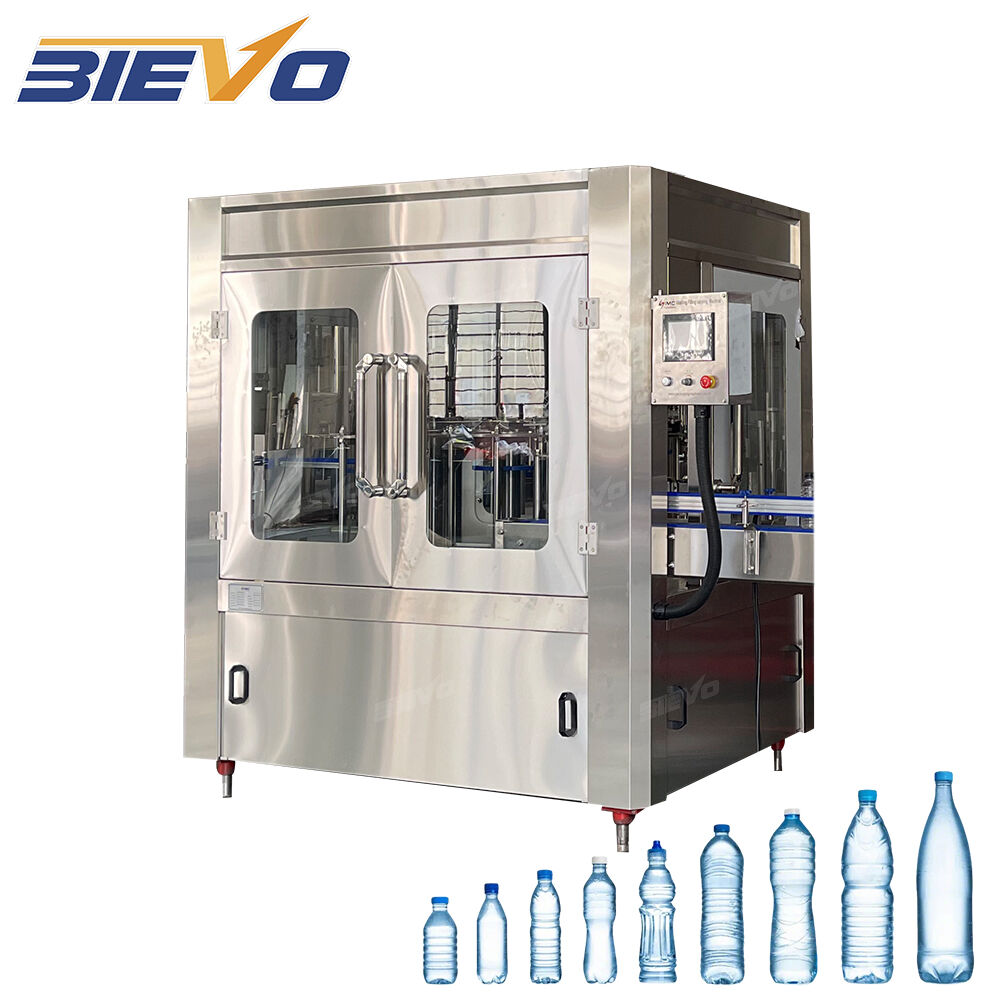
Before you start any production shift, thorough preparation and safety checks are the foundation of reliable operation for a water filling machine. With more than 13 years of on-site commissioning and after-sales service experience across global beverage plants, I have seen many avoidable breakdowns, inconsistent filling volumes, and hygiene risks caused by skipping pre-start checks. Industry guidelines from international beverage manufacturing associations clearly state that standardized pre-operation inspection can reduce unplanned downtime by more than 30%. Our water filling machine is designed with user safety and stable operation in mind, so operators should first inspect power connections, water supply pressure, air pressure, and fastening parts to ensure no looseness or leakage. It is also essential to check that all food-contact components are clean and sanitized, and that no foreign objects remain on the conveyor or inside the filling system. Our technical team always provides detailed on-site training to help operators master these basic steps, so the water filling machine can enter production in the safest and most stable condition.
Correct Startup Sequence and Parameter Setting of Water Filling Machine
A proper startup sequence and accurate parameter setting directly determine whether a water filling machine can maintain consistent output. Based on real project experience, many production problems such as overfilling, underfilling, or bottle jamming come from rushed startup and improper parameter configuration. Our water filling machine supports a wide capacity range from 12,000 to 36,000 bottles per hour and is compatible with 350ml–1500ml PET bottles, 3–10L containers, and 3–5 gallon barrels. Before startup, operators should set target filling volume, line speed, and bottle spacing according to the container type. The machine uses gravity filling technology with high-precision control to reach 99.9% filling accuracy. After confirming parameters, you should run the water filling machine in low-speed idle mode for 3 to 5 minutes to check for abnormal noise, vibration, or liquid dripping. Following the step-by-step startup procedure protects key components and helps the system reach stable working status quickly, laying a solid basis for smooth long-hour production.
Stable Operation Monitoring and Real-Time Adjustment During Production
Once in formal production, continuous monitoring and timely fine-tuning are necessary to keep the water filling machine performing at its best. In actual factory operation, changes in raw water pressure, bottle quality, or ambient temperature may affect filling consistency. Our water filling machine is equipped with real-time intelligent monitoring that tracks filling volume, line speed, and system status automatically. Operators should regularly observe filling effects, seal quality, and conveyor operation to spot abnormalities early. If slight deviations occur, you can make small adjustments to filling time or flow rate through the control panel without stopping the whole line. Professional beverage engineering research points out that real-time monitoring during operation can significantly reduce defective products and material waste. With our user-friendly interface and stable control system, the water filling machine allows operators to respond quickly and maintain high efficiency even during long shifts.
Standard Shutdown Procedure and Daily Cleaning of Water Filling Machine
Correct shutdown and daily cleaning are critical to maintain hygiene, extend service life, and ensure next-shift stability for a water filling machine. Many production teams overlook proper shutdown and only perform simple cleaning, which leads to residue buildup, bacterial risk, and accelerated wear of seals and valves. Our water filling machine uses food-grade stainless steel for all product-contact parts to support thorough cleaning and meet strict hygiene standards. The standard shutdown process includes stopping filling gradually, halting the conveyor, closing water and air valves, cutting off power, and then performing full cleaning of filling valves, pipes, and liquid tanks. Daily cleaning removes water stains and mineral residues to prevent blockages and ensure product safety. Based on customer feedback, factories that follow our recommended shutdown and cleaning routine report much lower failure rates and longer service life of their water filling machine, greatly reducing long-term maintenance cost.
Routine Maintenance and Troubleshooting for Long-Term Stability
To keep a water filling machine in optimal condition over years of use, routine maintenance and effective troubleshooting are indispensable. In my experience supporting hundreds of customers, regular maintenance greatly reduces unexpected failures and ensures consistent production capacity. Our water filling machine benefits from a global after-sales network that provides on-site response within 72 hours, professional annual maintenance, and 24/7 online support. Operators should perform daily checks of lubrication, vulnerable parts, and sensor sensitivity, and keep detailed operation records. Common minor issues like slight dripping or unstable speed can be solved quickly by referring to our operating manual or contacting our support team. Industry experts emphasize that proactive maintenance is far more cost-effective than emergency repairs. With proper operation, regular care, and our professional support, your water filling machine will maintain stable performance, high efficiency, and reliable quality throughout its service life, supporting sustainable growth for your bottled water business.
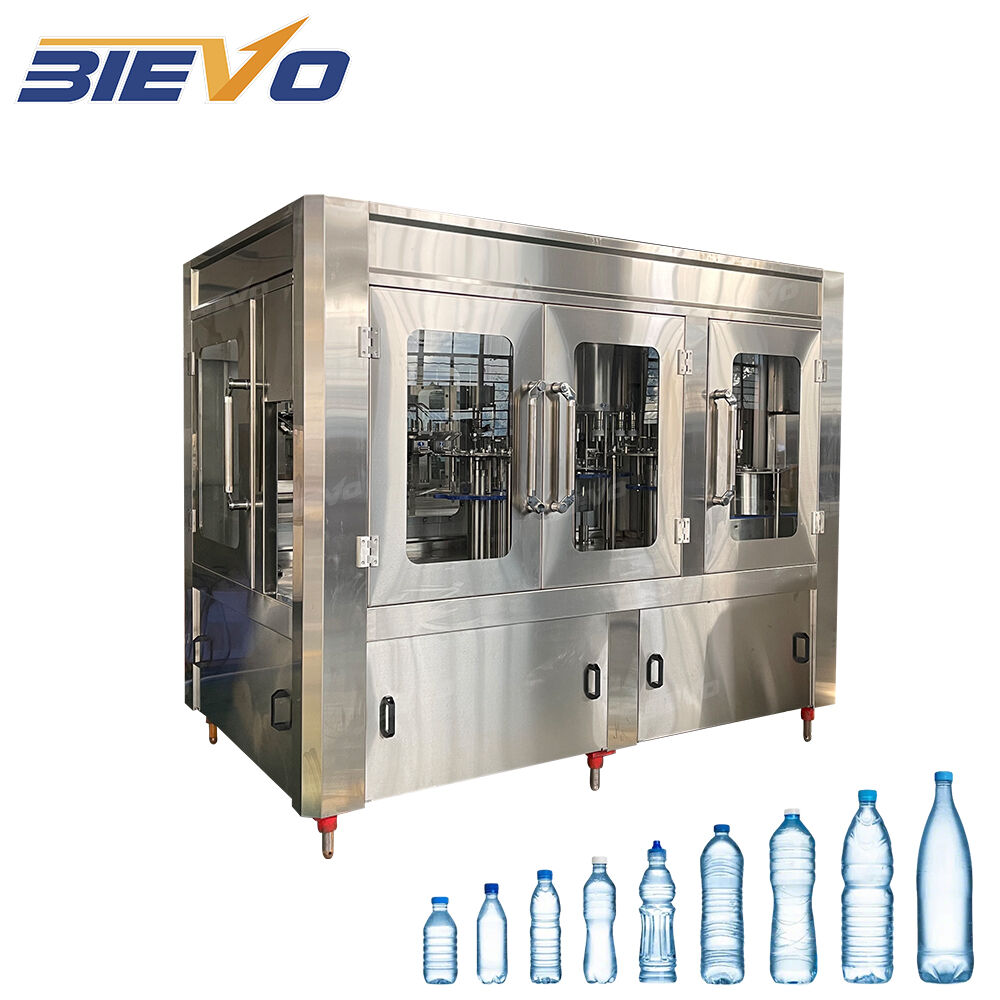
Table of Contents
- Pre-Start Preparation and Safety Inspection for Water Filling Machine
- Correct Startup Sequence and Parameter Setting of Water Filling Machine
- Stable Operation Monitoring and Real-Time Adjustment During Production
- Standard Shutdown Procedure and Daily Cleaning of Water Filling Machine
- Routine Maintenance and Troubleshooting for Long-Term Stability