
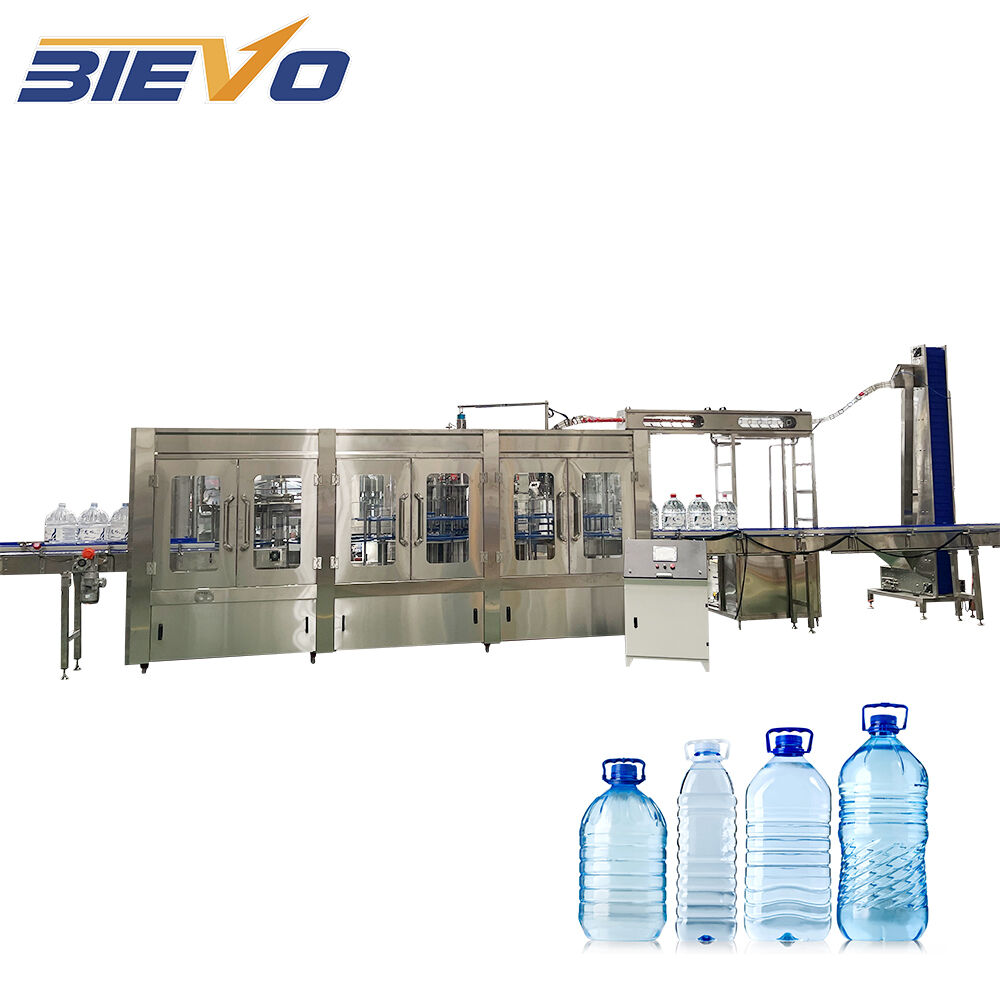
Evaluate Real Production Demand Before Choosing a Water Filling Machine
Choosing the right capacity for a water filling machine starts with accurate calculation of real output demand rather than just theoretical peak values. With more than 13 years of experience serving beverage factories across the globe, I have helped hundreds of customers avoid overinvestment or insufficient capacity by analyzing daily output, container sizes, working shifts, peak order pressure and future expansion plans. Industry research shows that the global beverage filling equipment market has exceeded $22 billion by the end of 2025, and packaging drinking water remains one of the fastest-growing segments. Many new factories make the mistake of choosing oversized equipment, leading to high energy consumption, idle depreciation and wasted space; others choose undersized models that fail to meet peak orders and lose market opportunities. Our water filling machine series supports a wide capacity range from small-scale compact lines to large-scale turnkey solutions up to 36,000 bottles per hour, fully covering 350ml–1500ml PET bottles, 3–10L medium containers and 3–5 gallon barrels. Before finalizing capacity, we suggest customers calculate based on actual daily output multiplied by 1.2–1.5 times peak redundancy, which matches long-term stable operation.
Match Container Specifications and Process Features to Capacity Design
The capacity of a water filling machine is closely linked to container type, filling process and supporting production flow, so one‑size‑fits‑all selection will reduce efficiency and stability. Different bottle shapes, neck sizes, barrel volumes and packaging forms affect filling speed and compatibility. Our water filling machine adopts gravity‑based precision filling technology, which is highly adaptable to pure water, mineral water and other non‑carbonated beverages, ensuring stable speed and consistent volume. For small bottles from 350ml to 1500ml, medium‑to‑high speed models from 12,000 BPH to 24,000 BPH are most cost‑effective; for 3–10L large containers, stable medium‑speed configurations reduce splash and improve sealing safety; for 3–5 gallon barrels, dedicated barrel‑type water filling machines ensure hygiene and durability. Professional beverage engineering reports point out that matching container size with filling valve structure and conveying speed can improve overall line efficiency by more than 15%. Our R&D team integrates mechanical design and intelligent control to optimize coordination between bottle washing, filling, capping and packaging, so the rated capacity of our water filling machine can be stably maintained during long‑hour production.
Balance Production Efficiency and Investment Cost in Capacity Planning
A reasonable capacity choice for a water filling machine requires balancing immediate output needs, operational cost and long‑term return on investment. Many factory owners focus only on purchase price but ignore energy consumption, labor cost, maintenance expense and loss caused by downtime. Based on project data from multiple continents, medium‑capacity water filling machine models usually provide the best economic return for small and medium‑sized factories, while large‑scale turnkey lines are more suitable for high‑output bases with stable orders. Our water filling machine achieves 99.9% filling accuracy with real‑time intelligent monitoring, reducing raw material waste and defective products. Modular design allows customers to start with a standard capacity and upgrade components later instead of replacing the whole line, greatly lowering expansion cost. Industry experts emphasize that modern beverage equipment investment should prioritize long‑term stability and scalability over just upfront cost. Our capacity solutions combine high efficiency, energy saving and easy maintenance, helping customers lower per‑unit production cost and strengthen market competitiveness.
Consider Workshop Conditions and Future Expansion for Flexible Capacity
Workshop size, layout, utility conditions and future development plans are essential factors that affect water filling machine capacity selection. Even if output demand is clear, unreasonable space or insufficient power may limit actual performance. During on‑site communication with customers, our technical team always measures workshop area, ceiling height, power supply, water source and pipeline conditions to provide customized capacity suggestions for the water filling machine. Our equipment features compact structure and reasonable layout, adapting to various plant environments while reserving maintenance space. For customers planning capacity expansion in 3–5 years, we recommend reserving 20–30% redundancy and choosing modular water filling machine systems that support easy capacity upgrades. This design avoids repeated investment and production interruption caused by line replacement. With more than 23 patents and a professional installation team, we provide full‑plant engineering design, efficient installation and commissioning, ensuring the water filling machine operates at designed capacity from day one.
Select Reliable After‑Sales Support to Sustain Capacity Performance
Even the most suitably sized water filling machine needs professional after‑sales service to maintain stable capacity and long service life. In actual production, parameter drift, component wear, seasonal changes and raw water differences may affect filling speed and consistency. Our global service network provides on‑site response within 72 hours, professional annual maintenance and 24/7 online technical support, ensuring your water filling machine runs at full capacity for years. Many customers feedback that after using our equipment, production efficiency increased significantly, downtime reduced and operation became more stable. Real‑world cases from Europe, Asia, Africa and the Americas prove that proper capacity selection plus reliable after‑sales creates sustainable value for beverage factories. As a trusted partner with rich industry experience, we provide not only a water filling machine but also full‑life‑cycle capacity solutions from design, manufacturing, installation to after‑sales. Choosing the right capacity means choosing efficient, stable and profitable production, helping your beverage business achieve steady growth.
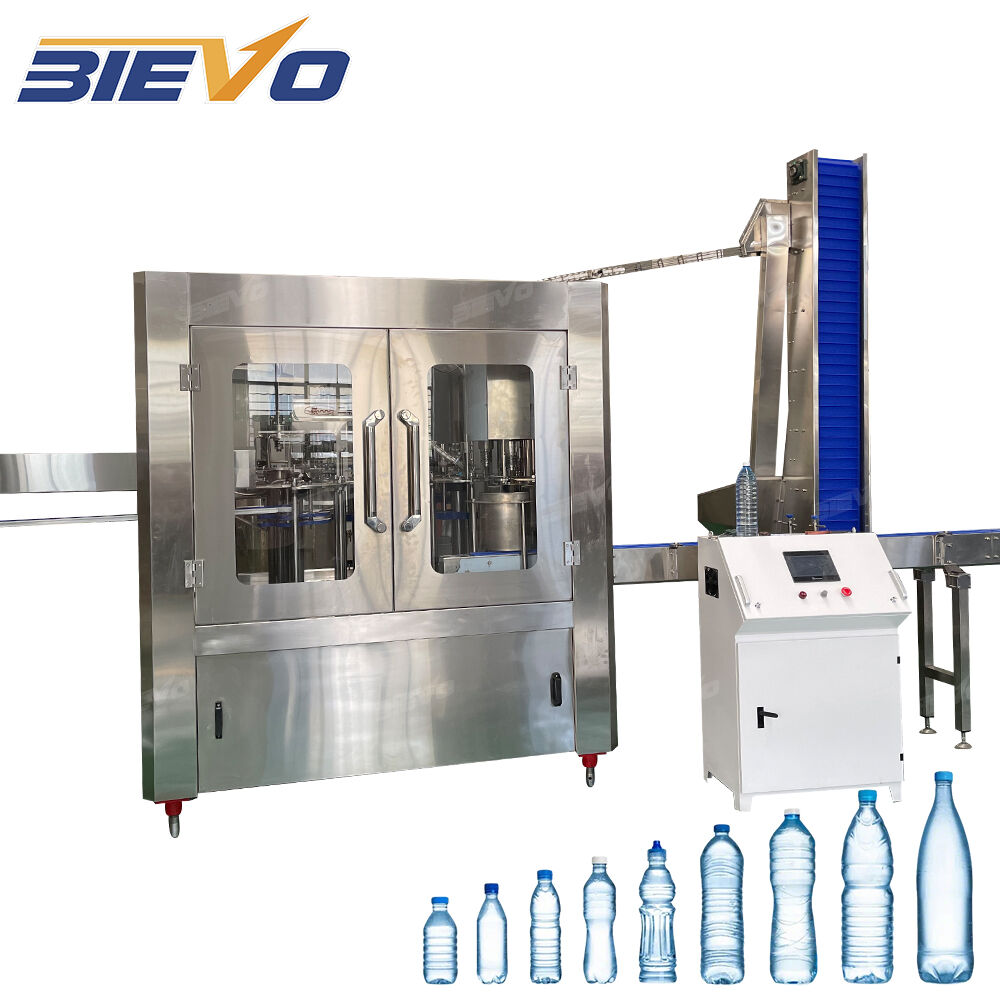
Table of Contents
- Evaluate Real Production Demand Before Choosing a Water Filling Machine
- Match Container Specifications and Process Features to Capacity Design
- Balance Production Efficiency and Investment Cost in Capacity Planning
- Consider Workshop Conditions and Future Expansion for Flexible Capacity
- Select Reliable After‑Sales Support to Sustain Capacity Performance