
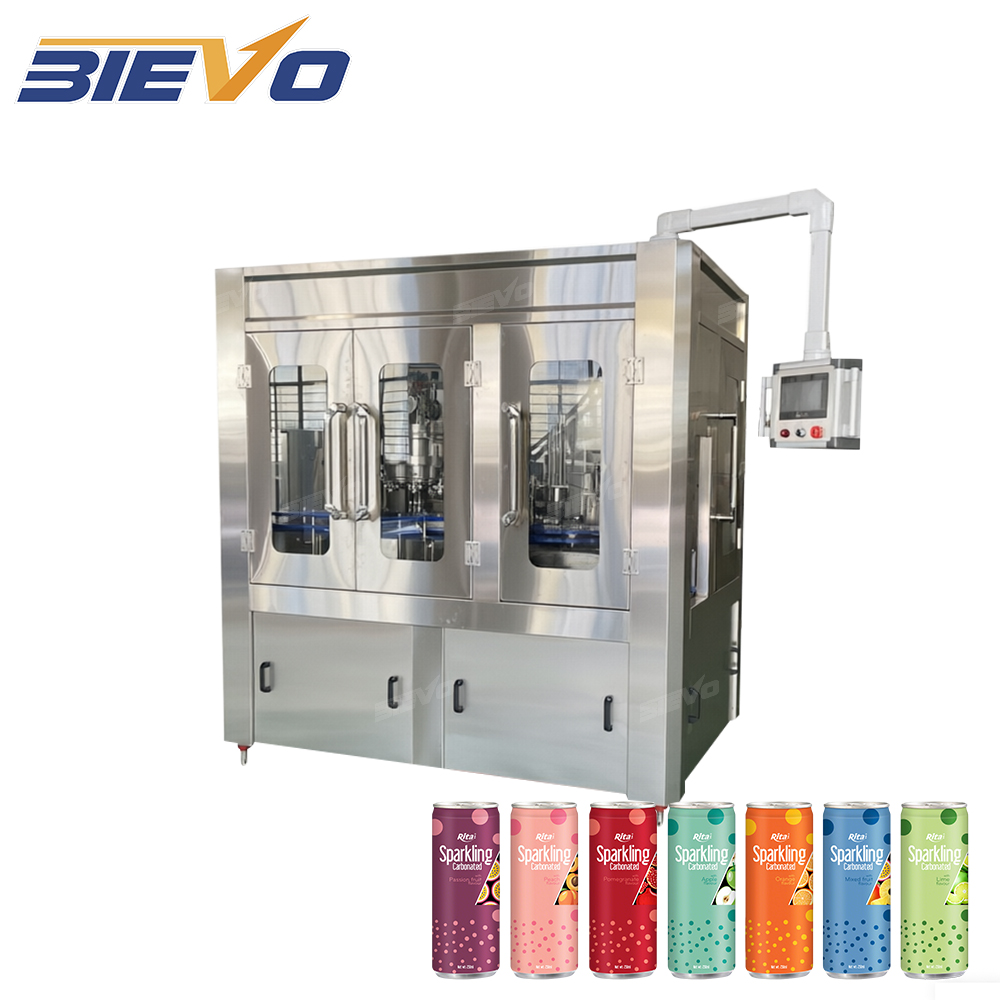
Understanding Core Working Principles Behind Carbonated Drink Filling Machine
If you operate a beverage production plant for soda, sparkling water, or fruit‑flavored carbonated beverages, getting familiar with how your carbonated drink filling machine functions is the first step to precise parameter tuning. Over nearly a decade of on‑site commissioning and technical consulting for global beverage manufacturers, I have found that many production inconsistencies, foam overflow, flat‑tasting drinks, and uneven filling volumes stem from improper basic parameter setup rather than machine quality issues. Carbonated beverages contain dissolved carbon dioxide that is highly sensitive to temperature, pressure, and flow speed, so the carbonated drink filling machine must maintain a sealed low‑oxygen environment throughout the filling process to keep gas stability. According to experts from the International Society of Beverage Technologists, over 60% of carbonated drink production defects are caused by unstable pressure and temperature settings during filling. Our brand’s carbonated drink filling machine adopts isobaric filling technology as its core mechanism, designed to match tank pressure with bottle pressure before liquid flows in, which fundamentally avoids gas loss and foam generation. Mastering these basic working principles allows operators to adjust parameters purposefully instead of making random trial‑and‑error changes on site.
Key Pressure Parameter Adjustments for Stable Carbonation Preservation
Pressure control stands as the most critical part when calibrating a carbonated drink filling machine, directly deciding carbon dioxide retention and product shelf quality. Based on my hands‑on experience tuning dozens of production lines across Asia, Africa, and Europe, the primary pressure parameters include tank backpressure, filling valve pressure, and return gas pipeline pressure. For regular soda drinks with standard carbonation levels, our carbonated drink filling machine recommends setting tank backpressure between 0.25 to 0.35 MPa, while sparkling water requires slightly lower pressure around 0.20 to 0.28 MPa. Higher‑carbonation energy drinks need pressure raised moderately to 0.30 to 0.40 MPa to prevent gas escape during filling. It is vital to balance pressure difference between the liquid tank and each filling valve; excessive difference triggers heavy foam, while insufficient pressure leads to incomplete filling and flat beverage taste. Our equipment comes with real‑time pressure monitoring sensors and automatic adjustment modules, which help operators maintain stable pressure even under continuous high‑speed production. Beverage engineering specialists point out that keeping pressure fluctuation within ±0.02 MPa guarantees consistent carbonation levels across every finished bottle, a standard our carbonated drink filling machine easily achieves through precision mechanical and electrical design.
Temperature and Flow Rate Tuning to Avoid Foam and Volume Deviation
Temperature and filling flow rate work hand‑in‑hand with pressure settings, and improper matching often causes messy overflow, wasted raw materials, and inconsistent fill volume from bottle to bottle. From real‑world cases I have managed, many small‑scale beverage factories set filling temperature too high above 8°C, which drastically speeds up carbon dioxide release and creates massive foam when liquid contacts bottle walls. Our carbonated drink filling machine is optimized for low‑temperature filling conditions, supporting stable operation at 2°C to 6°C, the ideal range recommended by global beverage production standards for carbonated products. When adjusting flow rate, operators must match speed with bottle type and production capacity: narrow‑neck plastic bottles need slower flow to reduce splashing, while wide‑mouth cans allow moderately faster filling. Our machine features adjustable flow control modules that automatically adapt flow speed according to container size and line speed, avoiding manual repeated adjustments. Setting flow too fast increases foam waste, while overly slow flow cuts production efficiency. By combining precise temperature control from our integrated cooling system and variable flow regulation, the carbonated drink filling machine keeps fill volume deviation below ±2ml for 500ml bottles, meeting strict international food production accuracy requirements.
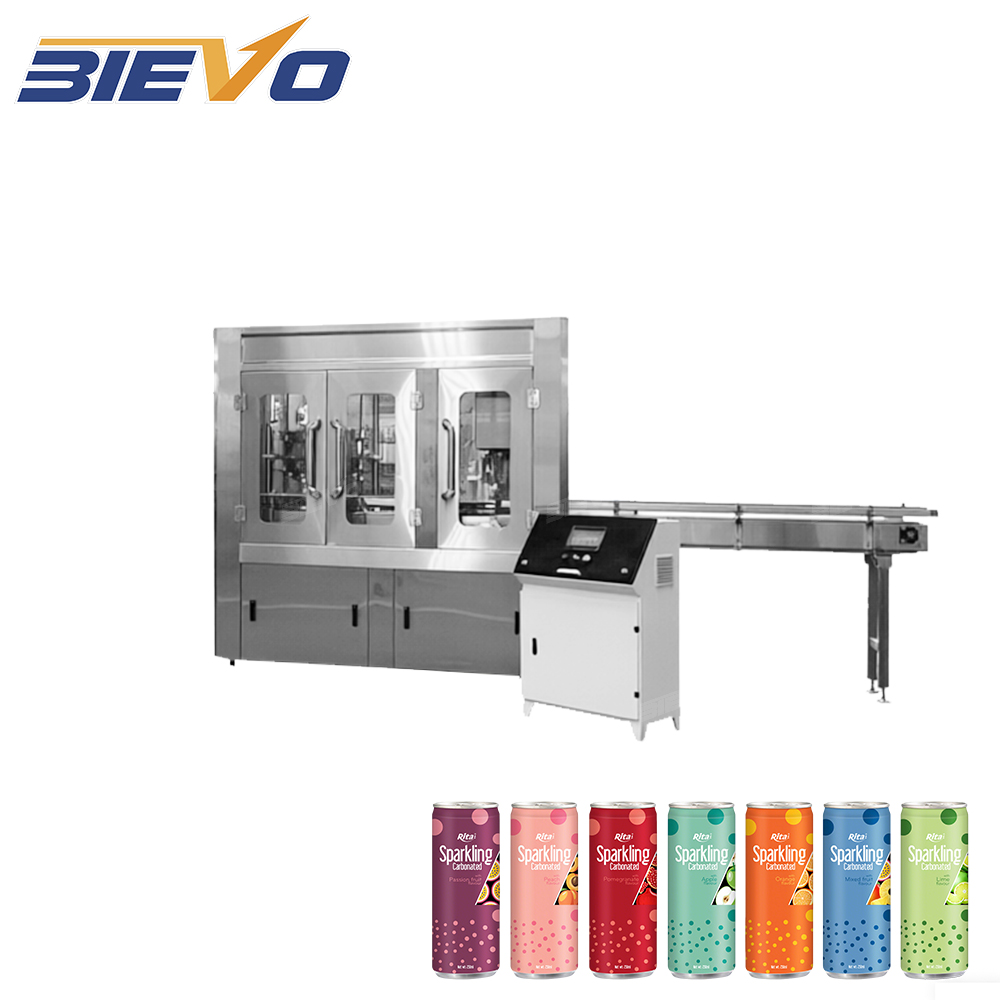
Synchronization Parameters for Full‑Line Stability and Continuous Production
A carbonated drink filling machine never works alone; its parameter settings must coordinate with bottle rinsers, capping machines, and conveyor systems to maintain overall line synchronization and prevent jams or shutdowns. In a recent project for a mid‑sized soda plant, improper speed matching between the filling machine and conveyor led to frequent bottle tipping and unplanned downtime until we recalibrated running speed, indexing time, and valve opening timing together. Our brand designs the carbonated drink filling machine with flexible synchronization parameters, allowing operators to adjust production speed from 2,000 to 24,000 bottles per hour according to daily output demands. Indexing time between each bottle station should align with filling valve opening duration; shorter indexing for high‑speed lines and extended timing for low‑volume small‑batch production. Capping station pressure and torque also need parameter coordination with filling output to avoid gas leakage after sealing. Our intelligent control panel centralizes all synchronization settings, simplifying complex multi‑part adjustments into user‑friendly one‑screen operations. Long‑term production data shows that properly synchronized parameters extend service life of the carbonated drink filling machine and lower maintenance frequency by reducing mechanical wear from misalignment.
Post‑Setup Inspection and Fine‑Tuning for Long‑Term Optimal Output
Parameter setting is not a one‑time task; regular inspection and fine‑tuning ensure your carbonated drink filling machine keeps delivering stable quality over months and years of continuous running. In my technical service experience, seasonal temperature changes, raw material batch differences, and component wear all require small parameter revisions to maintain optimal performance. After initial setup, operators should conduct hourly checks on carbonation level, fill volume accuracy, and foam rate, adjusting pressure or temperature slightly when deviation appears. Our carbonated drink filling machine supports real‑time data recording and early warning alerts, reminding teams to calibrate parameters before small issues turn into major production failures. Industry technical guidelines suggest monthly full parameter recalibration for high‑capacity carbonated beverage lines, a practice our after‑sales engineers guide customers to implement through global remote support and on‑site training. By combining correct initial parameter configuration, regular monitoring, and professional technical guidance, our carbonated drink filling machine helps beverage producers cut raw material waste, boost product consistency, and maximize production efficiency, forming a long‑term stable profit driver for carbonated drink manufacturing businesses.
Table of Contents
- Understanding Core Working Principles Behind Carbonated Drink Filling Machine
- Key Pressure Parameter Adjustments for Stable Carbonation Preservation
- Temperature and Flow Rate Tuning to Avoid Foam and Volume Deviation
- Synchronization Parameters for Full‑Line Stability and Continuous Production
- Post‑Setup Inspection and Fine‑Tuning for Long‑Term Optimal Output