
Thermal Processing Dynamics and Nutrient Retention in Juice Bottling
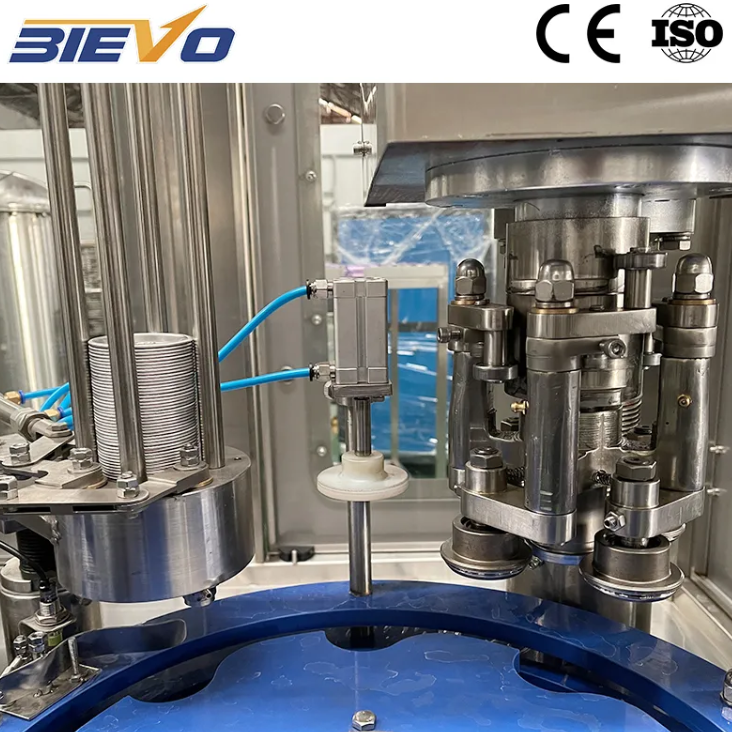
Thermal exposure during beverage packaging drastically alters liquid taste, color, and natural vitamin profiles. Traditional hot filling methods expose high-acid products to elevated temperatures around 85 to 92 degrees Celsius for extended durations. High heat degrades ascorbic acid, darkens natural fruit pigments, and imparts a scorched off-flavor that consumers easily detect. In contrast, modern thermal processing pairs rapid ultra-high temperature sterilization with cold ambient packaging. Passing juice through a tubular heat exchanger raises the liquid temperature to 135 degrees Celsius for just four to six seconds before rapid cooling down to 20 degrees Celsius. This brief thermal shock inactivates heat-resistant bacterial spores while preserving organic flavor compounds and heat-sensitive nutrients. Implementing an advanced aseptic juice filling machine allows processors to bottle pasteurized liquid at ambient temperatures within a sterile chamber, safeguarding nutrient profiles while reducing thermal strain on lightweight plastic containers during high-speed bottling runs.
Microbiological Barrier Architecture and Sterilization Mechanics
Maintaining total commercial sterility across high-speed packaging equipment relies on rigorous isolator barrier technology and validated chemical decontamination cycles. Container surfaces, closure caps, and mechanical filling valves must undergo continuous sterilization prior to product contact. According to standards published by the Food and Drug Administration under 21 CFR Part 108, aseptic packaging operations must achieve at least a six-log reduction of target microbial spores such as Bacillus atrophaeus. Equipment designs achieve this level of decontamination by deploying vaporized hydrogen peroxide or peracetic acid misting systems within sealed enclosures. Sterile air overpressure maintained inside Class 100 HEPA-filtered isolators prevents ambient airborne contaminants from entering the filling zone during operation, guaranteeing aseptic integrity across long production shifts.
1.Spraying container interiors with hydrogen peroxide vapor ensures total surface decontamination without leaving chemical residue.
2.Rinsing pre-sterilized caps with sterile water loops removes residual sterilant before mechanical placement onto bottle finishes.
3.Maintaining positive air pressure inside isolator enclosures keeps non-sterile plant air from migrating into filling chambers.
|
Operational Criteria |
Traditional Hot Fill |
Aseptic Cold Fill |
Retort Thermal Sterilization |
|
Processing Temperature |
85 to 92 degrees Celsius |
20 to 25 degrees Celsius |
121 degrees Celsius |
|
Package Thermal Strain |
High resin wall thickness required |
Minimal lightweight PET allowed |
Glass or heavy metallic containers |
|
Energy Consumption |
High thermal input for pasteurization |
Lower overall operational energy |
Extreme thermal energy demand |
|
Product Quality Retention |
Moderate flavor degradation |
High natural fresh taste |
Severe color and flavor alteration |
Infrastructure Demands and Facility Cleanroom Requirements
Transitioning from conventional hot filling to aseptic packaging requires significant upgrades to plant infrastructure and utility systems. Cleanroom classifications surrounding the filling enclosure must meet ISO Class 5 standards to minimize airborne particle counts. Utility demands include sterile compressed air, high-purity steam for barrier seals, and continuous sterile water generation loops. Inadequate air filtration or improper pipe slope design induces bio-film accumulation inside fluid lines, resulting in batch contamination and extended shutdown cycles. Facilities must also establish strict operator gowning procedures and automated clean-in-place sequences to maintain environmental integrity throughout multi-shift production runs without introducing human pathogens into sterile filling zones.
Field Case Study on Beverage Discoloration and Container Deletion
During a line optimization project at a tropical fruit processing facility in Southeast Asia, plant managers faced recurring product quality issues on a hot fill line. High-acid mango and guava nectars suffered from severe browning and lost volatile aroma compounds within three weeks of packaging. Heavy-wall PET containers required for hot filling also increased packaging material costs significantly. Replacing the hot fill system with an aseptic cold filling circuit allowed pasteurization at 138 degrees Celsius for five seconds, followed by ambient filling inside a sterile chamber. The new setup eliminated beverage browning completely, extended product shelf life to twelve months, and allowed a twenty-two percent reduction in PET bottle resin weight, resolving both quality degradation and excessive material costs without lowering production throughput.
Technical Tradeoffs and Operational Limitations
Aseptic packaging offers clear product quality advantages, but facility managers must weigh these against operational complexities and strict maintenance demands. Aseptic equipment requires significantly higher initial capital investment compared to hot fill machinery due to advanced sterile barriers and monitoring systems. Chemical sterilant monitoring, sterile air filtration checks, and swab testing demand specialized operator training and rigorous laboratory overwatch. Microscopic leaks in valve seals or slight dips in hydrogen peroxide vapor concentration can compromise an entire production run. Aseptic lines suit high-volume facilities running premium, clean-label beverages, whereas smaller operations processing basic juices may find the operational complexity challenging to manage without dedicated technical staff on site.
Integrated Machinery Execution for Global Packaging Operations
Establishing a reliable juice packaging facility requires coordinating fluid processing, sterile bottle blowing, aseptic filling, and downstream packaging into an interconnected line architecture. Mismatches between pasteurization output and filler intake cause thermal dwell time variations that jeopardize product sterility and cause operational bottlenecks. Integrated engineering setups align electronic control panels, conveyor drive logic, and clean-in-place validation routines under a unified operational umbrella to ensure consistent output. Machine fabrication and line design from BIEVO merge precision manufacturing standards, specialized technical expertise, and worldwide field service support, helping beverage producers implement dependable filling solutions tailored for long-term operational success across diverse market environments.
Table of Contents
- Thermal Processing Dynamics and Nutrient Retention in Juice Bottling
- Microbiological Barrier Architecture and Sterilization Mechanics
- Infrastructure Demands and Facility Cleanroom Requirements
- Field Case Study on Beverage Discoloration and Container Deletion
- Technical Tradeoffs and Operational Limitations
- Integrated Machinery Execution for Global Packaging Operations