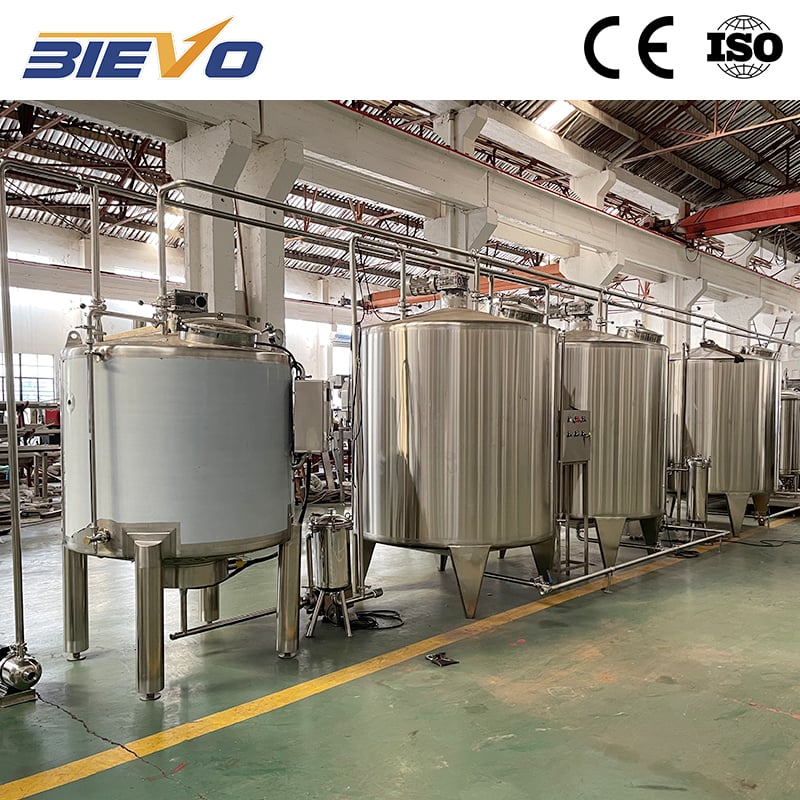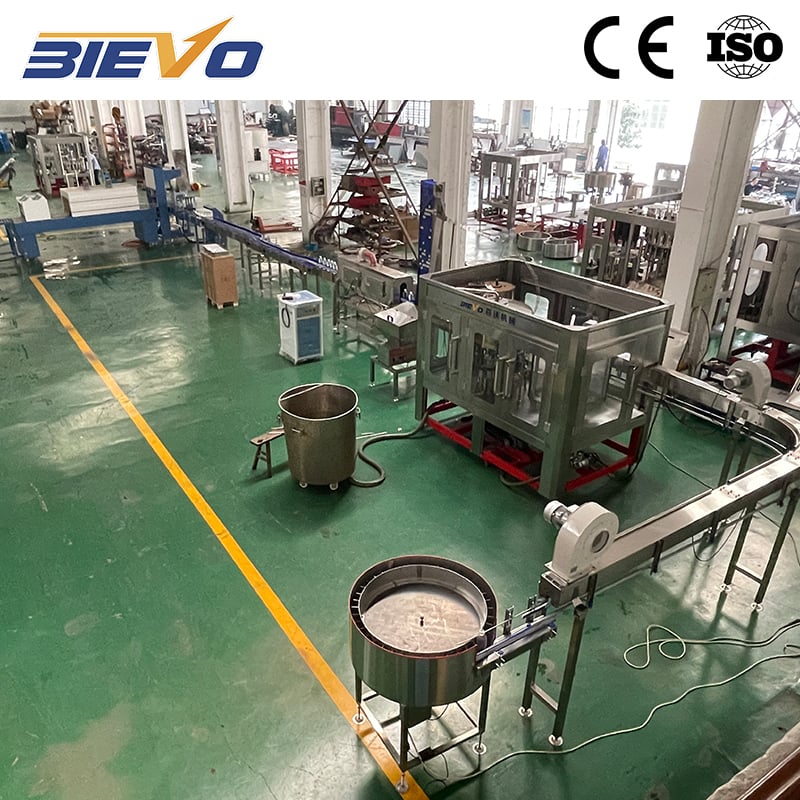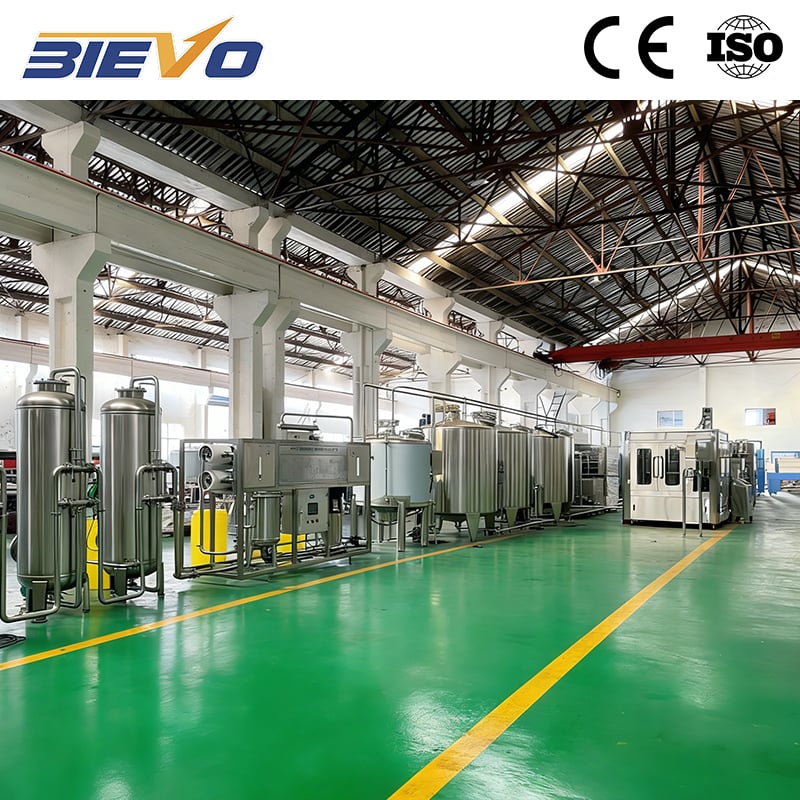
With the global demand for healthy and natural beverages on the rise, the juice filling production line has evolved to prioritize nutritional retention, hygiene control, and efficient processing. A standard automatic juice filling line integrates multiple key processes, from raw material preparation to finished product packaging, ensuring the quality and stability of juice products throughout the production cycle.
The process typically starts with raw material pretreatment. Fresh fruits are first sorted and cleaned to remove impurities, rotten parts, and pesticide residues. They are then crushed and pressed to extract juice, which undergoes filtration through 100-mesh screens to remove pulp residues and ensure a smooth texture. For concentrated juice production, the extracted juice is further evaporated under low temperature to reduce water content, while for fresh-squeezed juice, it is immediately subjected to sterilization to retain nutrients.
Sterilization is a critical step in juice filling. Most juice production lines adopt UHT (Ultra-High Temperature) sterilization technology, which heats the juice to 135-150°C for 2-8 seconds to kill harmful microorganisms while preserving over 95% of vitamins and other nutrients. Some high-end fresh juice lines use aseptic cold filling technology, which sterilizes the juice at lower temperatures and fills it into sterile containers in a controlled environment, extending the shelf life without adding preservatives.
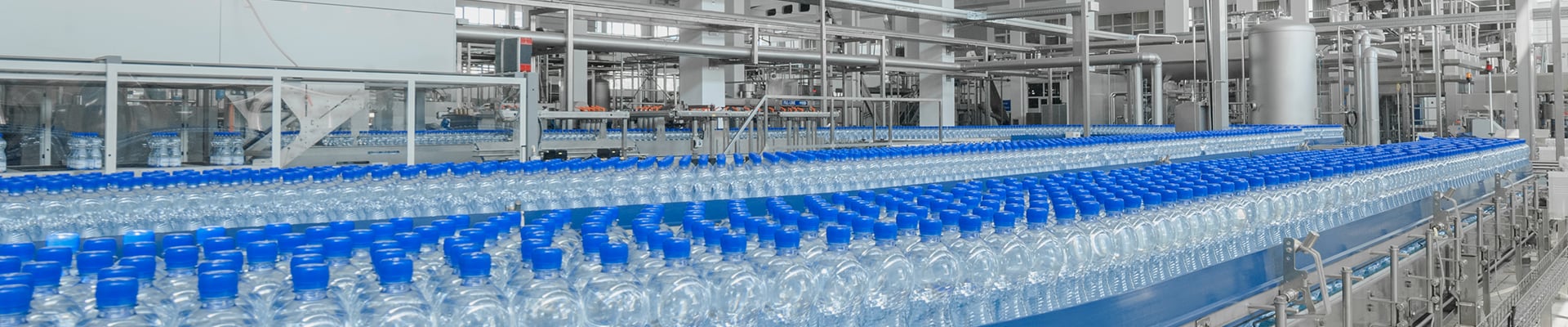
Subsequently, the sterilized juice enters the filling process. Automatic filling machines use volumetric filling technology, with filling accuracy errors controlled within ±1.5ml, to ensure consistent product volume. The bottles or containers are first cleaned through a multi-stage washing process, including high-pressure water rinsing and air blowing, before being dried and transported to the filling station. After filling, the containers are sealed with screw caps or pull tabs using automatic capping machines to prevent contamination and leakage.
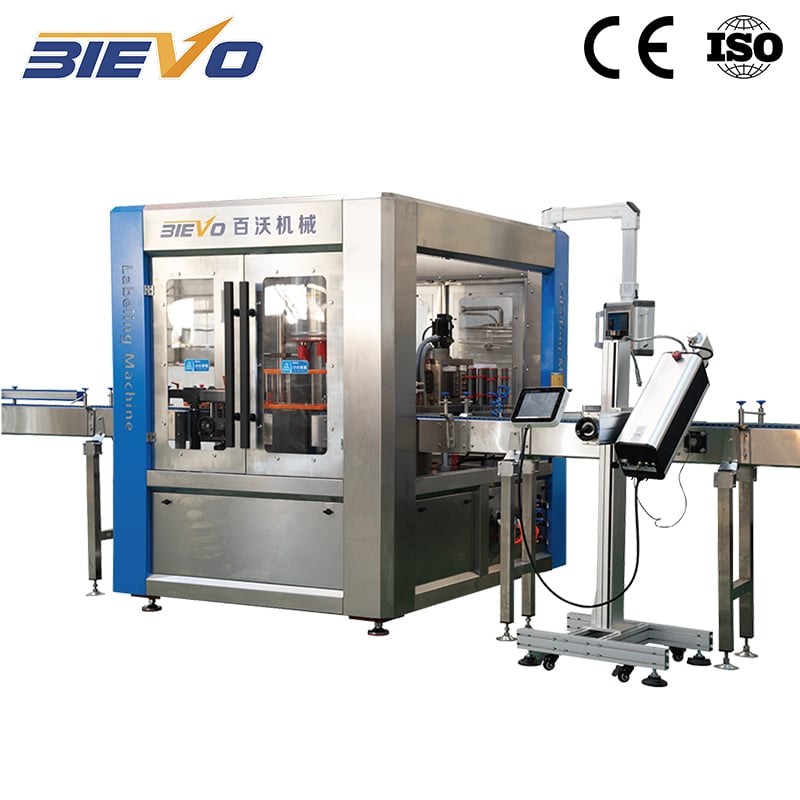
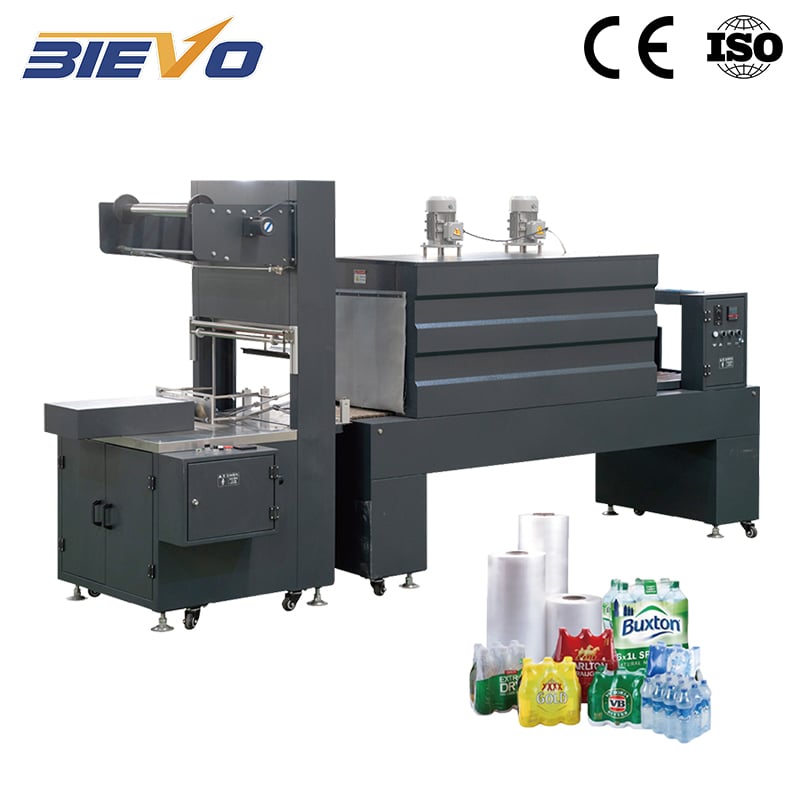
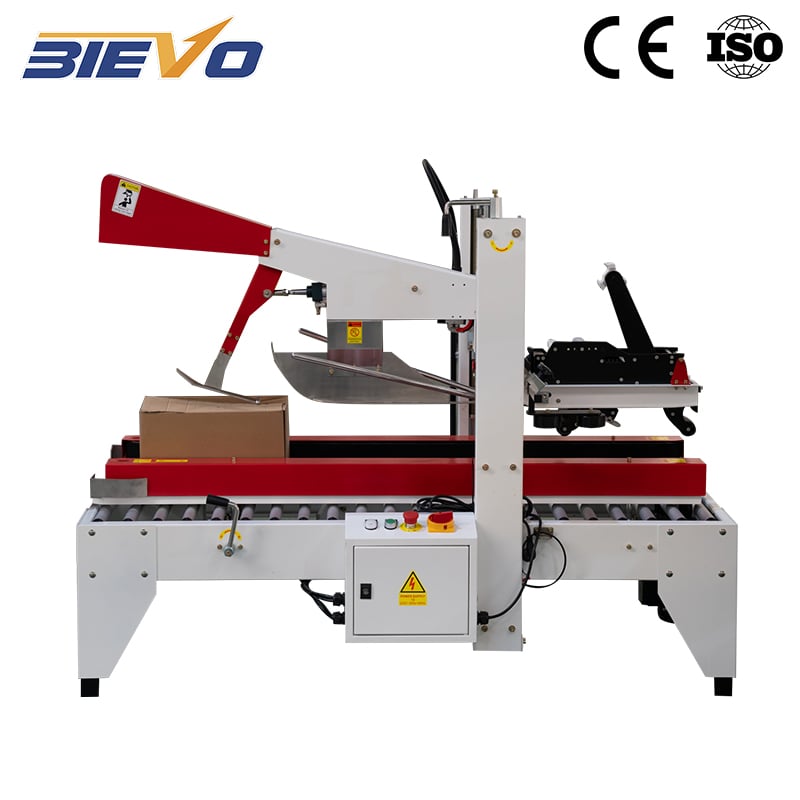
The final stages include labeling, coding, and quality inspection. Automatic labeling machines apply labels with product information such as ingredients, shelf life, and production date, while coding machines print unique batch numbers for traceability. Quality inspection systems, including AI visual inspection and weight detection, check for filling accuracy, seal integrity, and label alignment, automatically removing defective products from the line. The finished products are then boxed and palletized for storage and transportation.
Industry insiders note that modern juice filling lines are increasingly adopting modular and intelligent designs, allowing quick switching between different juice types (such as orange juice, apple juice, and mixed fruit juice) and bottle sizes within 15-20 minutes. Energy-saving technologies, such as IE5 ultra-efficient motors and closed-loop water recycling systems, are also widely used to reduce production costs and environmental impact.
 Hot News
2026-10-15
2026-04-15
2026-01-30
2026-01-29
2026-01-28
2026-01-27
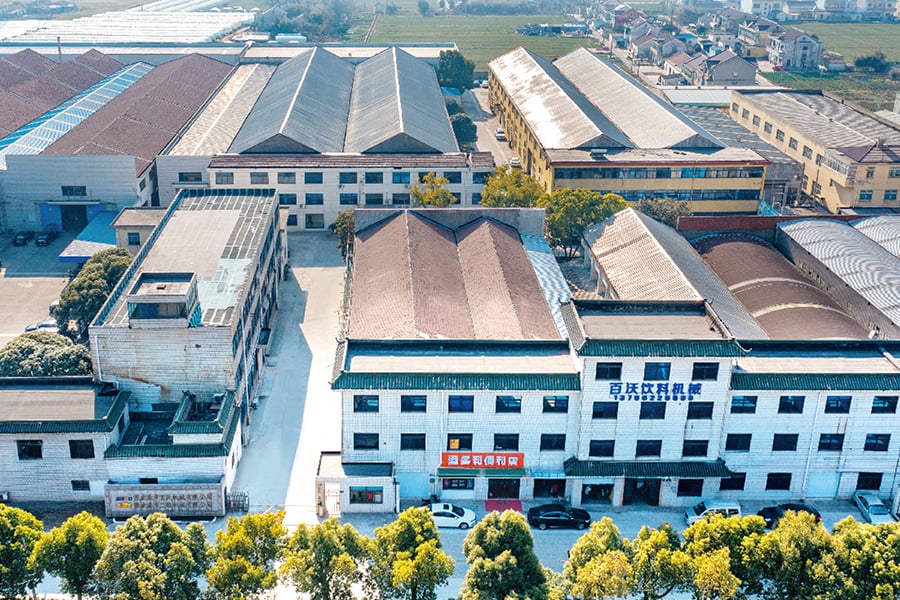
Copyright © 2026 by Zhangjiagang City Bievo Machinery Co., Ltd.