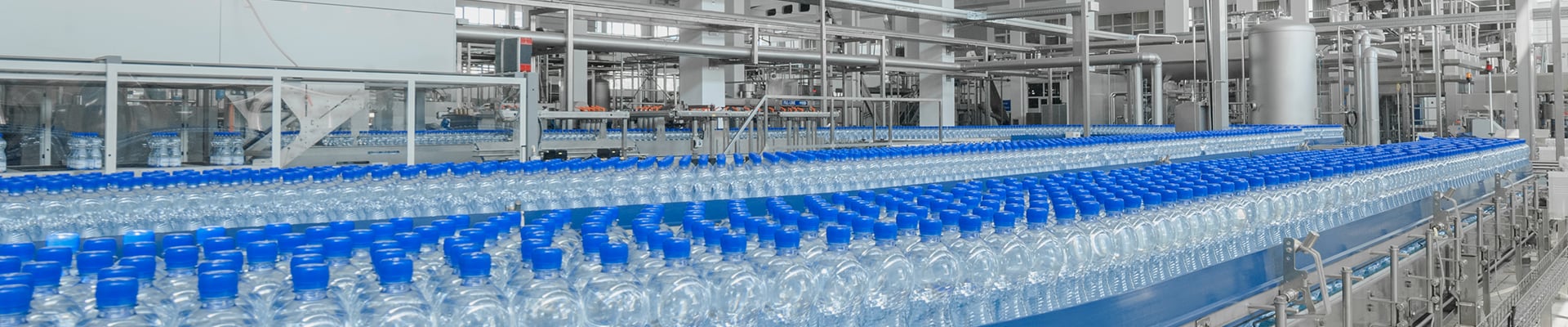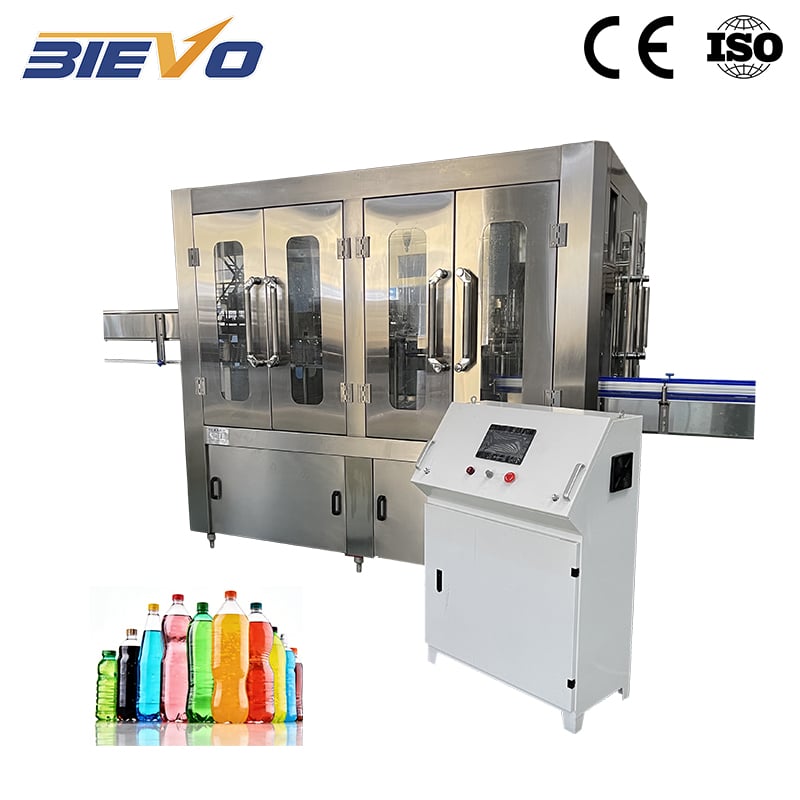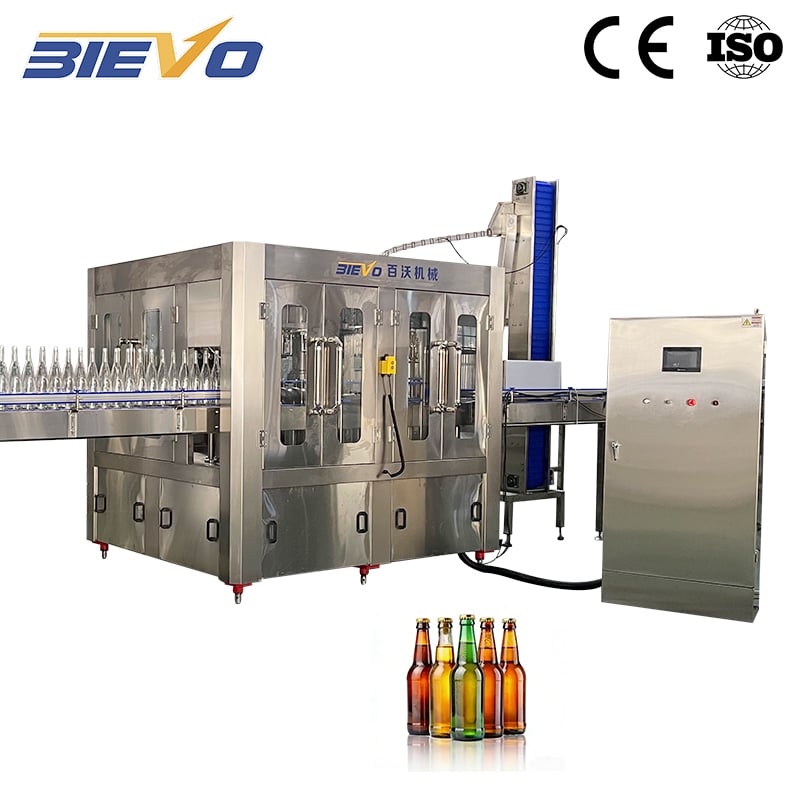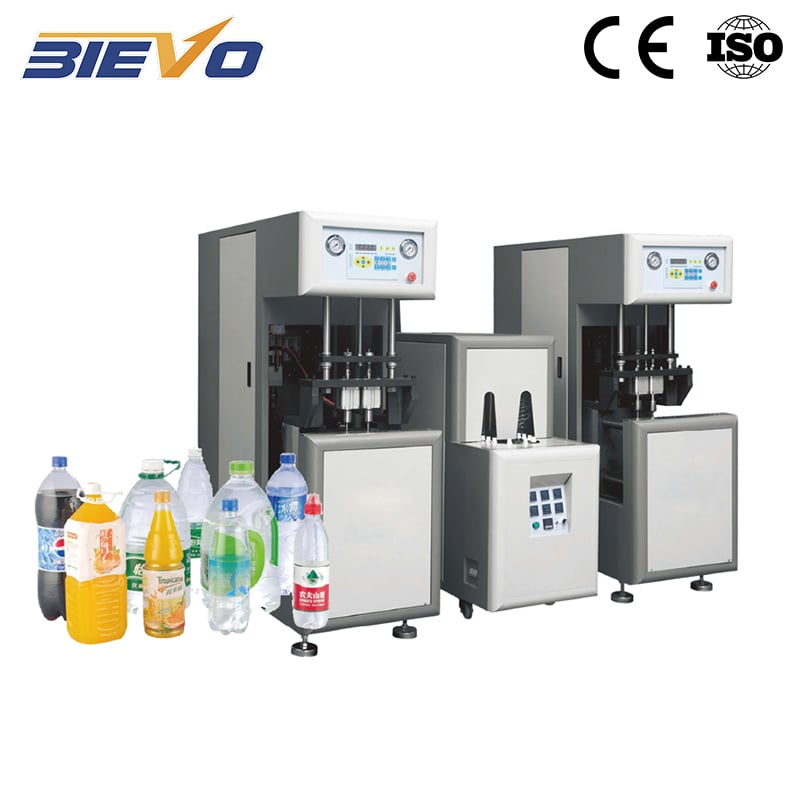
Carbonated beverages, such as soda and sparkling water, rely on precise pressure control and strict process management to maintain their unique fizz and taste. The production process of carbonated beverage filling lines is more complex than that of non-carbonated beverages, with a focus on carbonation control, container handling, and leak prevention.
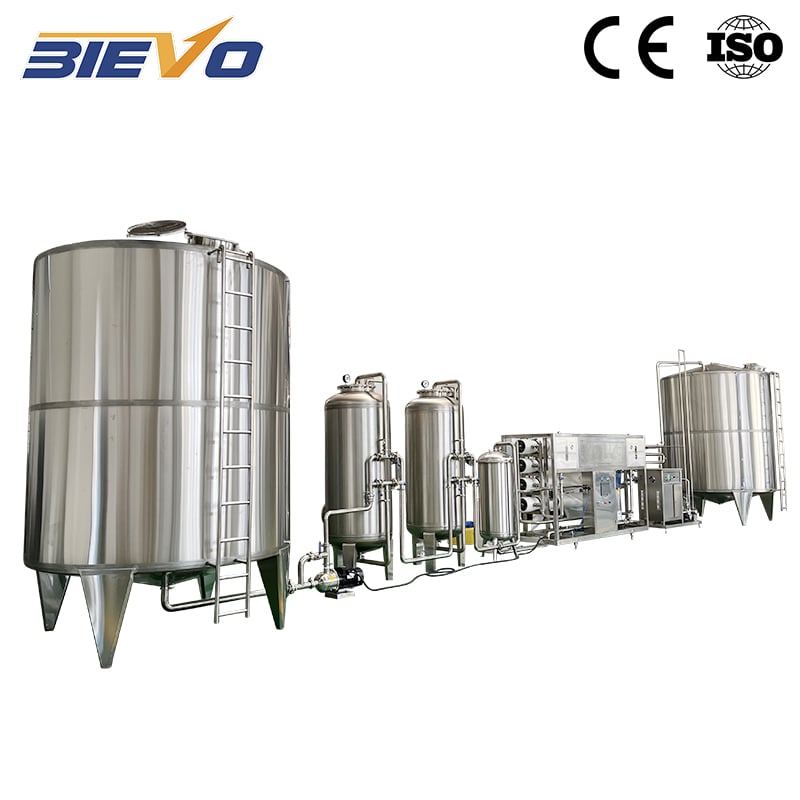
The production process begins with syrup preparation. The base syrup is mixed with purified water in a precise ratio, with sugar, flavors, colors, and other additives added according to product formulas. The mixed solution is filtered to remove impurities and then cooled to 0-5°C, as lower temperatures help improve carbon dioxide solubility. Purified water used in the process undergoes multi-stage treatment, including sand filtration, carbon filtration, and reverse osmosis, to ensure water quality meets food safety standards.
Carbonation is the core step in carbonated beverage production. The cooled syrup solution is injected with carbon dioxide in a pressure vessel, with the carbonation level controlled according to product requirements (typically 2.5-4.0 volumes of CO₂). The pressure during carbonation is strictly monitored to ensure uniform carbonation, which directly affects the taste and shelf life of the final product.
The filling process for carbonated beverages adopts isobaric filling technology. Before filling, the empty bottles are first cleaned and dried, then filled with inert gas (such as nitrogen) to remove air and prevent oxidation. The bottles are then pressurized to the same pressure as the carbonated syrup solution, ensuring that the syrup is filled smoothly without excessive foaming or carbon dioxide loss. The filling accuracy is controlled within ±1ml, and the filling speed can reach up to 120,000 bottles per hour for high-speed production lines.
After filling, the bottles are immediately capped to seal in the carbon dioxide. Automatic capping machines use precision capping heads to apply screw caps or crown caps, with torque control to ensure seal integrity. Leak detection is then performed using pressure testing or vacuum testing technologies to identify any poorly sealed bottles, which are automatically rejected.
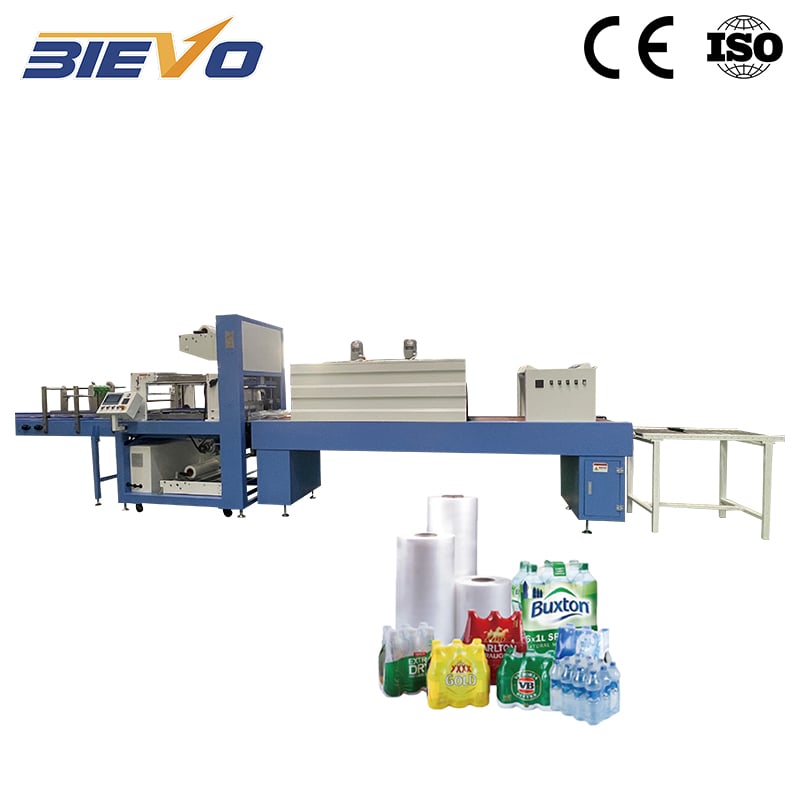
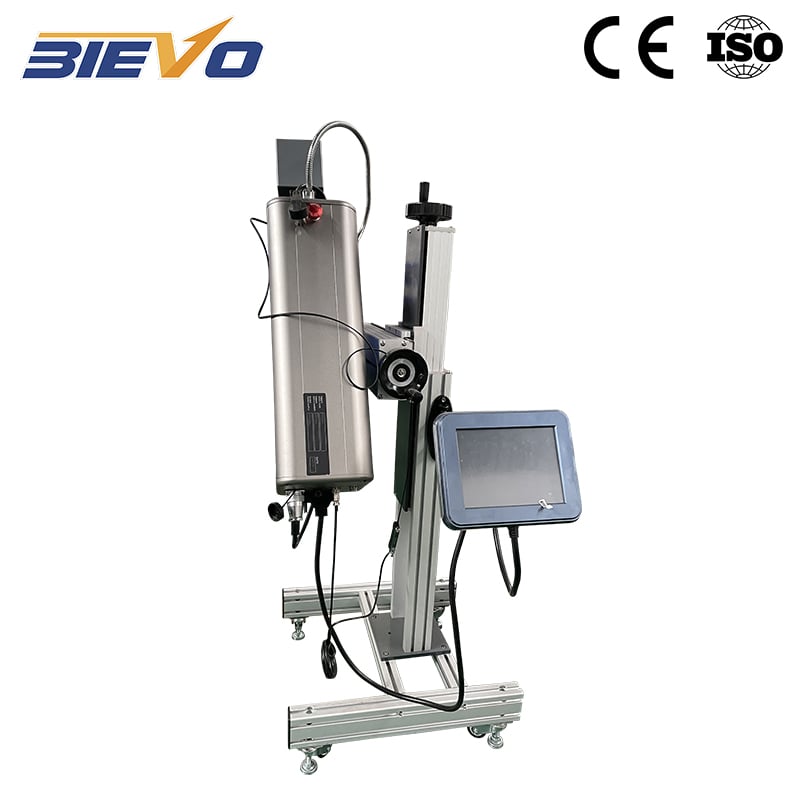
Similar to juice filling lines, carbonated beverage lines also include labeling, coding, and final quality inspection steps. Modern carbonated beverage filling lines are highly automated, with PLC (Programmable Logic Controller) systems controlling the entire production process, from syrup preparation to finished product packaging. Many lines also feature flexible production capabilities, allowing quick switching between different product flavors and bottle types to meet diverse market demands.
With the growing trend of low-sugar and sugar-free carbonated beverages, filling line manufacturers are developing equipment that can handle alternative sweeteners and maintain product stability. Energy-saving and environmental protection technologies, such as waste heat recovery and recyclable packaging compatibility, are also becoming key focuses in the innovation of carbonated beverage filling lines.
 Hot News
2026-10-15
2026-04-15
2026-01-30
2026-01-29
2026-01-28
2026-01-27
Copyright © 2026 by Zhangjiagang City Bievo Machinery Co., Ltd.