
Why Aseptic Filling Is Fundamentally Different from Hot Filling
Aseptic filling does not rely on heat applied inside the package to kill microorganisms after the product is inside. Instead, the product and the package are sterilized separately, then brought together in a sterile environment. That difference explains why a juice filling machine built for aseptic operation looks and behaves differently from a standard hot-fill line. In hot filling, the product itself is heated to a high enough temperature to sanitize the bottle or carton after filling, then cooled. That works, but it limits the package to heat-resistant materials like glass or thick PET. Aseptic filling removes that constraint. The juice can be filled at ambient temperature into lightweight, heat-sensitive packages. The trade-off is that every surface that touches the product must be sterile, and the environment around the fill point must stay sterile throughout the production run.
The Three Barriers That Keep the Product Sterile
Aseptic processing is built around three separate barriers. First, the product is sterilized before it reaches the filler. For juice, that usually means ultra-high temperature treatment, often abbreviated UHT, which heats the liquid to 135 to 150 degrees Celsius for a few seconds. Second, the packaging material is sterilized separately. Depending on the package type, this might involve hydrogen peroxide vapor, hot air, steam, or electron beam treatment. Third, the sterile product is transferred into the sterile package inside a controlled environment that prevents recontamination. If any one of these barriers fails, the entire system is compromised. The filler itself acts as the meeting point for these three streams, which is why a juice filling machine designed for aseptic use has so much more instrumentation and monitoring than a conventional filler.
How the Packaging Material Gets Sterilized Before Filling
The method depends heavily on the package format. Carton-based packages often pass through a hydrogen peroxide bath or spray, followed by hot air drying to remove any residual peroxide. PET bottles for aseptic juice filling are frequently sterilized with gaseous hydrogen peroxide or peracetic acid. Some newer systems use pulsed light or electron beam technology, which avoids chemical residue concerns but requires higher capital investment. The key parameter is not just killing the microbes, it is achieving a validated log reduction without leaving a residue that would alter the juice flavor or exceed regulatory limits. The US Food and Drug Administration's aseptic processing regulations under 21 CFR Part 113 require validation that the sterilization process achieves a consistent, documented level of microbial reduction. That validation work is not a one-time event. It must be repeated whenever package materials, line speed, or sterilization settings change.
What Happens Inside the Filling Zone
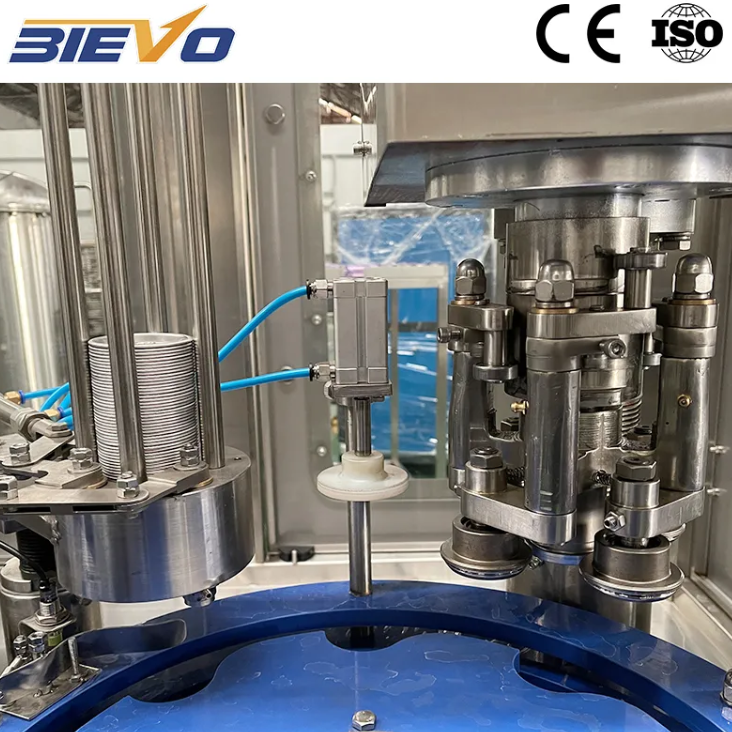
The filling zone is the critical area where the sterile juice meets the sterile package. Positive pressure sterile air, usually passed through HEPA filters, keeps outside air from entering. The filling valves, the product piping, and the surfaces around the fill point are either steam-sterilized before startup or maintained at a temperature that prevents microbial growth. During operation, the filling zone is continuously monitored for pressure differentials and sometimes for airborne particles. A typical aseptic filler will go through a sterilization cycle before production, then maintain sterility through a combination of sterile air overpressure, steam barriers on moving parts, and strict operator protocols. Any breach, even a brief one, means the line must shut down and restart the entire sterilization sequence.
A Real World Case Where a Small Leak Stopped an Entire Line
A juice producer in South America was running an aseptic PET line when routine microbial testing started showing intermittent positive results. The product from the UHT system was sterile, and the bottle sterilization parameters had not changed. After two days of investigation, the maintenance team found a degraded O-ring on a sterile air supply line near the filler's clean zone. The leak was tiny, not enough to change the pressure readings on the main gauges, but it allowed a small stream of unsterile air to enter the filling zone whenever a nearby conveyor motor started. The line had to be shut down, cleaned, and resterilized before production could resume. That experience illustrates how aseptic filling depends on small details. A juice filling machine can have excellent sterilization capabilities, but a single worn seal can undermine the entire system.
Comparing Sterilization Methods for Different Package Types
The choice of package sterilization method has a direct impact on operating cost, line footprint, and validation complexity. The table below compares common approaches used in aseptic juice filling.
|
Sterilization Method |
Typical Package Types |
Residual Risk |
Operating Cost |
Validation Complexity |
|
Hydrogen peroxide vapor |
Cartons, PET bottles |
Possible residue if drying is incomplete |
Medium |
Moderate |
|
Peracetic acid liquid |
PET bottles, caps |
Requires thorough rinsing |
Low to medium |
Moderate |
|
Steam |
Cans, some bottles |
Heat damage possible on thin walls |
Low |
Low to moderate |
|
Electron beam |
PET bottles, caps |
No chemical residue |
High |
High |
|
Pulsed light |
Cartons, cups |
Limited penetration in complex shapes |
Medium |
High |
Each method has trade-offs. The right choice depends on package geometry, product sensitivity, available utilities, and the local regulatory environment. None of these methods eliminates the need for a rigorously controlled filling environment.
Where the Technology Stands and What to Look For
Aseptic juice filling has moved from being a niche process to a mainstream requirement, especially for ambient distribution and export markets. The core principles have not changed in decades, but the monitoring systems have become far more sophisticated. Modern lines include continuous data logging of sterilization temperatures, pressure differentials, and sometimes real-time particle counts in the filling zone. The best approach for a beverage factory evaluating this technology is to look beyond the filler's nominal output. Evaluate the sterilization validation support, the clean-in-place integration, and the supplier's experience with the specific package format. BIEVO has been building beverage filling and packaging lines for over three decades, and that background includes aseptic and extended shelf life configurations. The company's manufacturing setup includes testing capabilities that allow juice producers to validate package and product compatibility before committing to a full line, which reduces the risk of unpleasant surprises during startup.
Table of Contents
- Why Aseptic Filling Is Fundamentally Different from Hot Filling
- The Three Barriers That Keep the Product Sterile
- How the Packaging Material Gets Sterilized Before Filling
- What Happens Inside the Filling Zone
- A Real World Case Where a Small Leak Stopped an Entire Line
- Comparing Sterilization Methods for Different Package Types
- Where the Technology Stands and What to Look For