
The Hidden Cost of Choosing the Wrong Metal
Edible oil is not chemically aggressive in the way strong acids are, but it creates a different kind of problem. Oil films trap moisture against metal surfaces, and that trapped moisture drives corrosion in places that would otherwise stay dry. Carbon steel parts on an oil filling line will eventually rust, and once rust starts, it contaminates the product and shortens the life of nearby seals and bearings. The cost of replacing a rusted bracket or a pitted valve body often looks small on paper, until the downtime and product rejection are added up. Stainless steel avoids this failure mode almost entirely in normal edible oil service. The reason is not just corrosion resistance. It is also about cleanability and surface stability over thousands of washdown cycles.
How Stainless Steel Grades Actually Differ in Edible Oil Service
Not all stainless steel is the same. Grade 304 is the workhorse for most food contact surfaces, including tanks, piping, and filling nozzles. It handles routine exposure to vegetable oils, mild cleaning agents, and water without significant corrosion. Grade 316 adds molybdenum, which improves resistance to chlorides and certain acidic conditions. For an oil filling line, 316 becomes worth the extra cost when the product contains salt, vinegar, or aggressive flavor compounds, or when the plant uses chlorinated cleaning chemicals. Type 430 stainless is sometimes seen in lower-cost equipment, but it lacks the corrosion resistance of 304 and is harder to keep clean. The best choice depends on the actual product matrix and cleaning regimen, not just the price difference per kilogram.
A Rust Spot That Shut Down a Packing Room
A soybean oil bottling plant in South Asia had a recurring contamination problem that took weeks to trace. Small dark specks were appearing in finished bottles, and the quality team initially blamed the filter system. After replacing filter cartridges and checking the filler seals, the specks kept coming back. A close inspection of the filling room finally found the source. A support bracket under the filler discharge, made from painted carbon steel, had developed a crack in the paint. Oil mist had settled on the bare metal, and the resulting rust flakes were being knocked loose by vibration and falling into open bottles. The fix was a stainless steel bracket with a smooth, unpainted surface. The contamination stopped immediately. That case shows why every component on an oil filling line, even the ones that never touch product directly, needs to be made from a material that cannot shed contaminants into the filling environment.
Material Comparison for Key Oil Filling Line Components
The table below compares materials commonly found in edible oil filling equipment. It is based on practical experience across different plant environments, not laboratory testing.
|
Material |
Corrosion Resistance in Oil Service |
Cleanability |
Relative Cost |
Typical Use on Oil Filling Line |
|
Carbon steel with paint |
Poor once paint is damaged |
Low |
Low |
Frames, brackets, non-contact supports |
|
304 stainless steel |
Good for most edible oils |
High |
Medium |
Product piping, nozzles, tanks, drip trays |
|
316 stainless steel |
Excellent for salty or acidic products |
High |
Higher |
Filler heads, valve bodies, areas exposed to chlorides |
|
430 stainless steel |
Moderate |
Medium |
Lower |
Some covers and panels |
|
Food-grade plastics |
Good if oil-compatible |
Medium |
Low |
Cap chutes, guides, some seals |
The main point is simple. Anything that can generate rust or flaking particles within the filling zone should be eliminated, even if it is not a direct product contact surface.
Cleaning, Corrosion, and Long Term Stability
Stainless steel holds up well to frequent cleaning, but only if the cleaning chemistry matches the grade. Caustic cleaners at high concentration can pit stainless steel over time, especially when the temperature is high and the exposure is repeated. Chlorinated cleaners are a known risk for 304 and even 316 in some conditions. The Food and Drug Administration's current Good Manufacturing Practice requirements under 21 CFR Part 117 state that food contact surfaces must be corrosion-resistant and cleanable. Stainless steel meets that requirement when properly specified and maintained. For an oil filling line, the practical takeaway is to choose 304 or 316 for anything in the product zone and to avoid painted metal or uncoated carbon steel anywhere near the fill point.
What to Look for in Stainless Fabrication
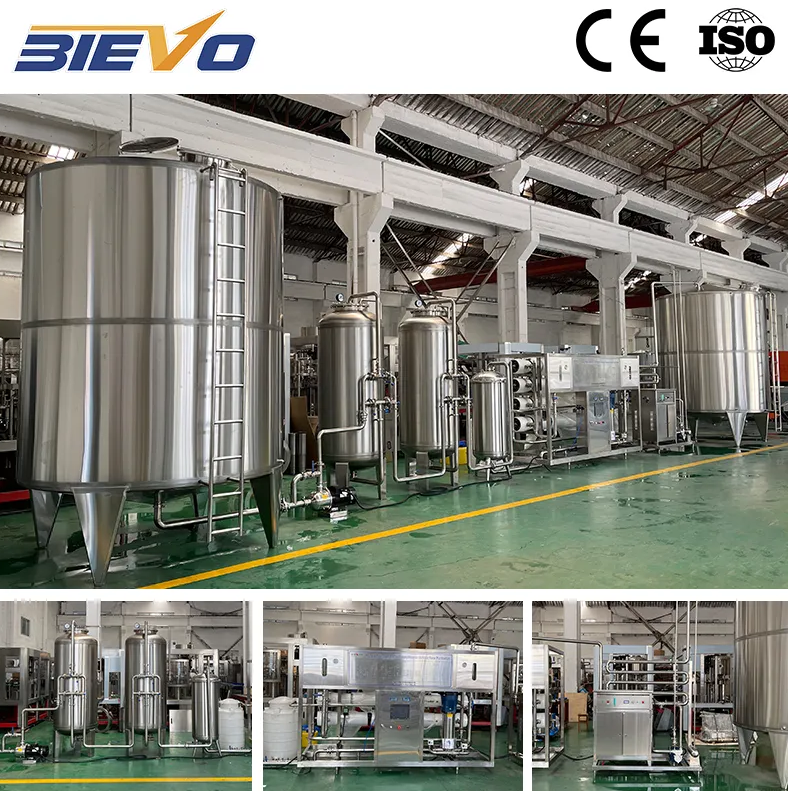
Material choice is only half the story. The way stainless steel is welded, polished, and finished matters just as much. Rough welds create crevices where oil and moisture collect, turning a corrosion-resistant material into a hidden trap. A smooth finish, typically 32 Ra or better for food contact surfaces, makes cleaning faster and reduces the places where biofilms can start. BIEVO builds oil filling line equipment with these practical requirements in mind. The company's manufacturing floor has over 7,000 square meters of space and includes in-house fabrication capabilities that allow close control over surface finish and weld quality. For edible oil producers, that kind of manufacturing discipline means fewer surprises after installation and a line that stays cleaner with less manual effort over years of service.