
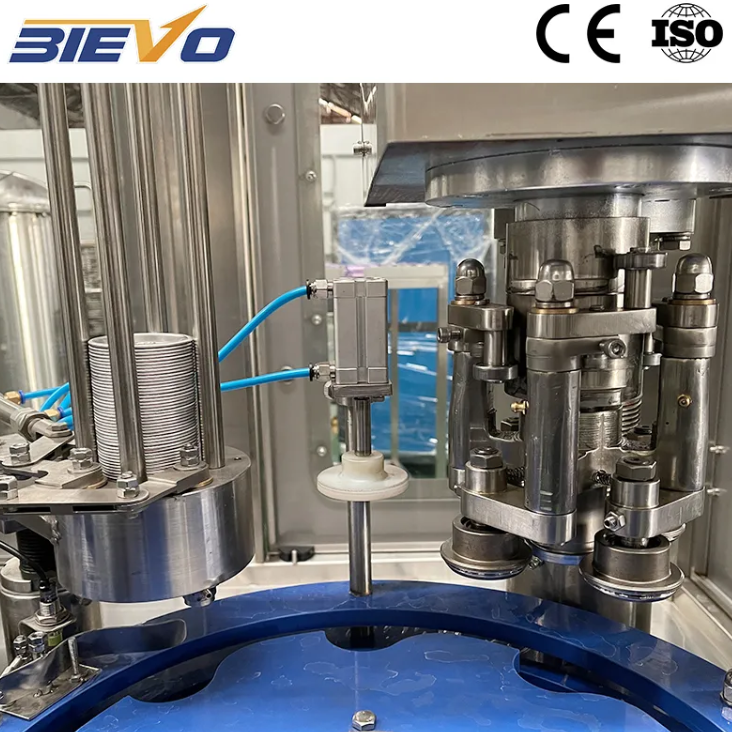
Sanitary Surface Finishing and Fluid Contact Metallurgy High-acid and high-sugar liquid processing presents severe mechanical and microbial challenges for beverage packaging equipment. Fruit pulp, natural organic acids, and suspended sugars aggressiv...
VIEW MORE
Thermal Processing Dynamics and Nutrient Retention in Juice Bottling Thermal exposure during beverage packaging drastically alters liquid taste, color, and natural vitamin profiles. Traditional hot filling methods expose high-acid products to ...
VIEW MORE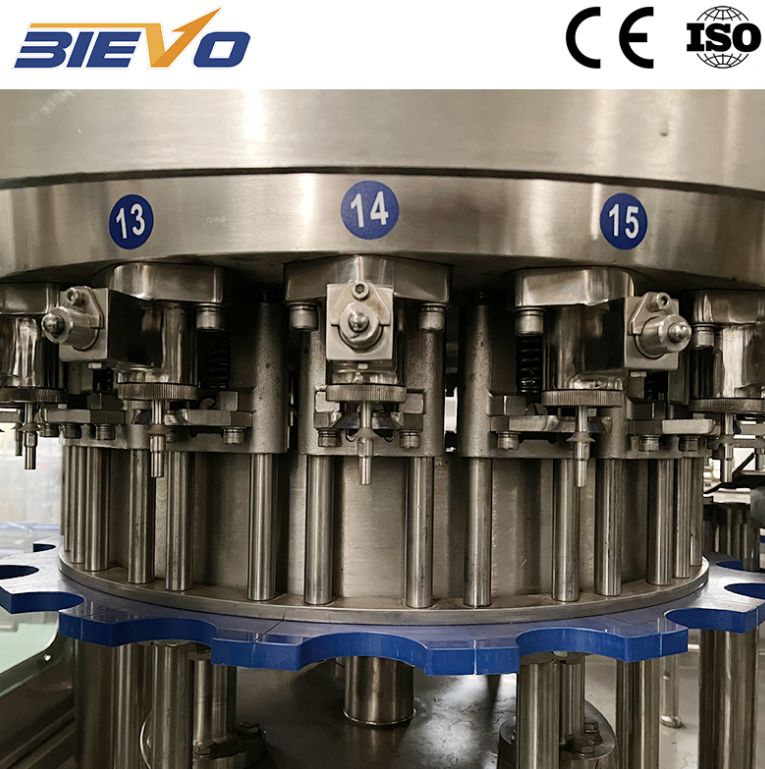
Pre-Shift Visual Inspections and Mechanical Verification Starting a packaging shift without systematic component verification introduces operational risks across sensitive mechanical assemblies. Operators should begin by examining sanitary sea...
VIEW MORE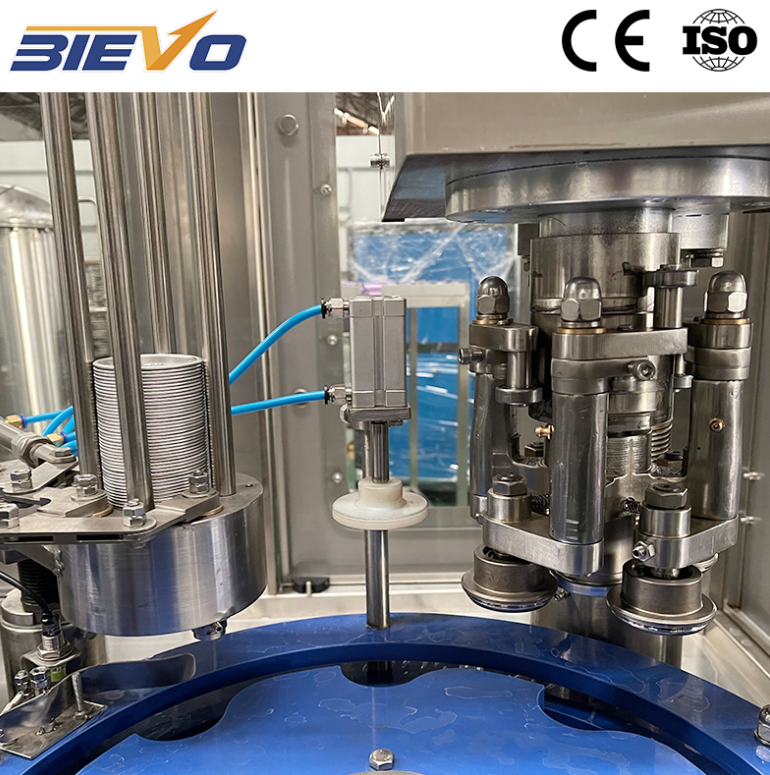
Balancing Gas Dissolution and Pressure Stability in High-Speed Bottling Managing dissolved carbon dioxide demands strict thermal control and precise pressure balancing across the entire processing loop. Carbonated soft drinks require carbonati...
VIEW MORE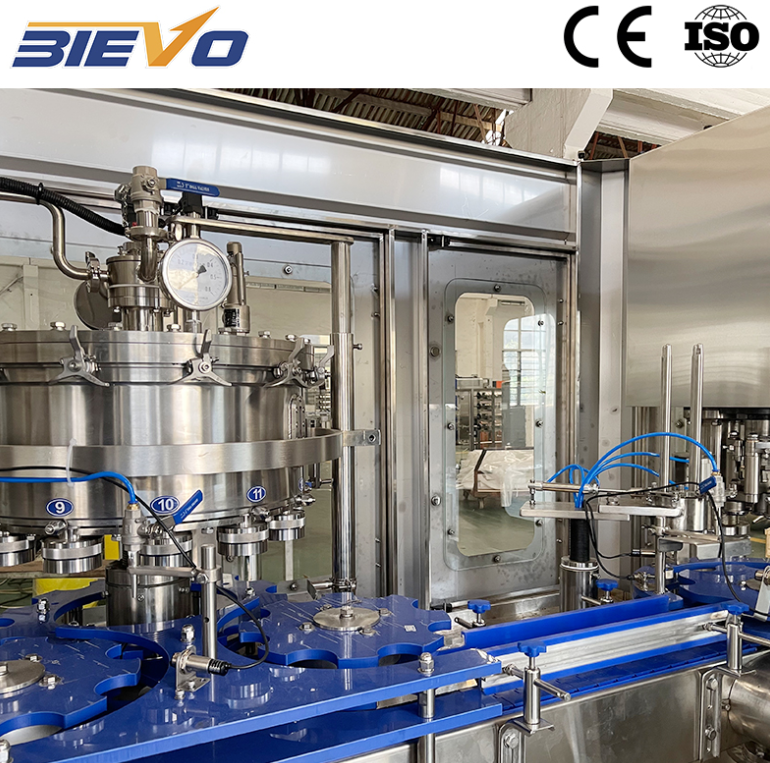
Engineering Challenges in Multi-Spec Aluminum Can Handling Modern packaging lines encounter severe physical disruptions when switching between standard 355 ml sleek cans, ultra-slim energy drink formats, and large 500 ml containers. Differing ...
VIEW MORE
Understanding Pre-Operational Safety Protocols and Inspections Preventing mechanical hazards begins long before power reaches the main drive motor. On high-speed packaging lines, operators often bypass basic verification steps under shift chan...
VIEW MORE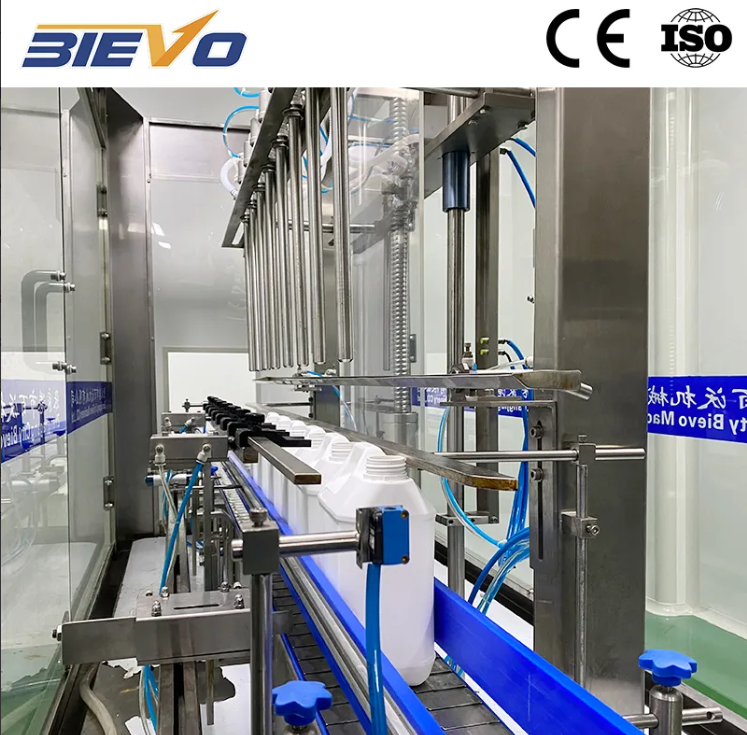
Why Non-Drip Filling Matters More for Oils Than Water Water drips are annoying. Oil drips are a production problem. Edible oil clings to nozzle tips, creeps along the outside of the fill tube, and leaves a film that attracts dust. Even a small...
VIEW MORE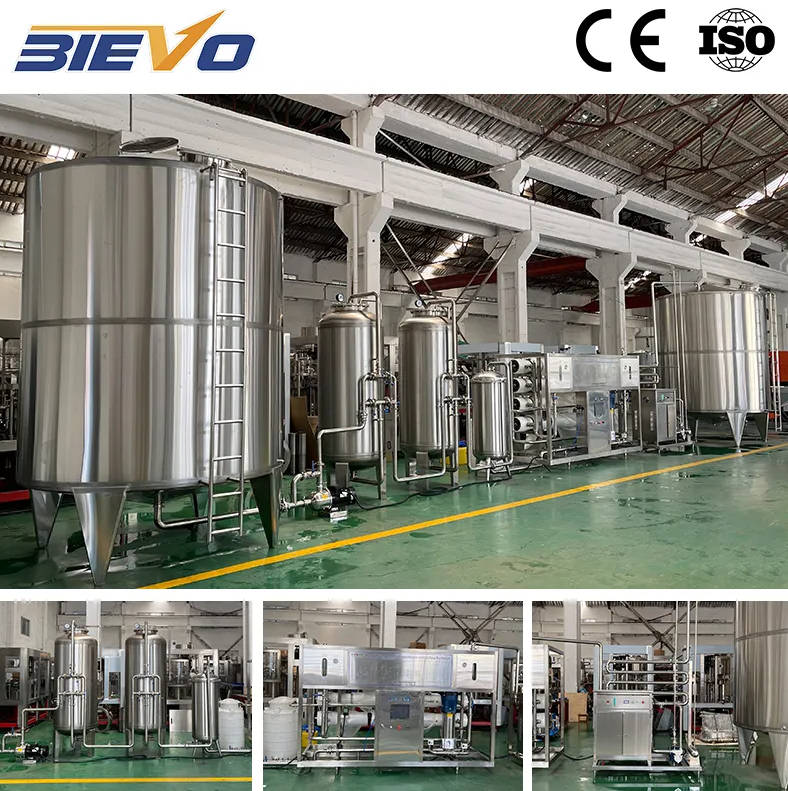
The Hidden Cost of Choosing the Wrong Metal Edible oil is not chemically aggressive in the way strong acids are, but it creates a different kind of problem. Oil films trap moisture against metal surfaces, and that trapped moisture drives corro...
VIEW MORE
Why Standard Oil Filling Lines Often Fall Short for Edible Oil Edible oil is not one product. Sunflower oil, palm oil, extra virgin olive oil, and blended cooking oil all behave differently at the filling nozzle. Viscosity shifts with temperat...
VIEW MORE
Why Daily Maintenance on an Oil Filling Line Is Different from Beverage Lines An oil filling line moves a product that is thicker, stickier, and more aggressive on seals than water or carbonated drinks. Edible oil leaves a film that attracts d...
VIEW MORE
Why Aseptic Filling Is Fundamentally Different from Hot Filling Aseptic filling does not rely on heat applied inside the package to kill microorganisms after the product is inside. Instead, the product and the package are sterilized separately...
VIEW MORE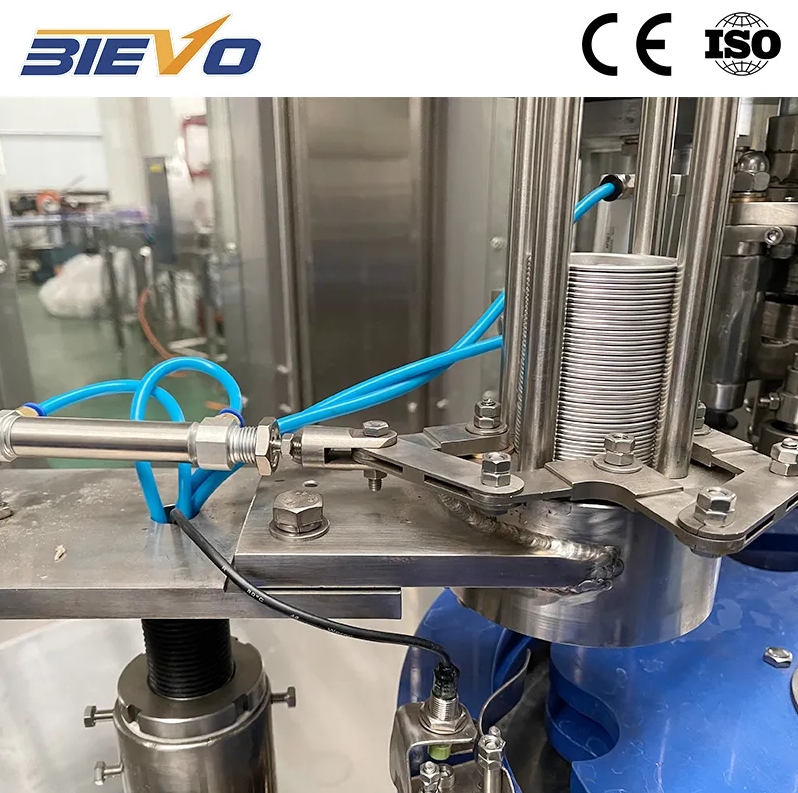
Treat Filling Speed and Seal Quality as One Problem Most line managers treat speed and quality as opposite ends of a dial. On a can filling line, that mindset causes more harm than good. A filler can be pushed faster, but if the seamer cannot ...
VIEW MORECopyright © 2026 by Zhangjiagang City Bievo Machinery Co., Ltd.