
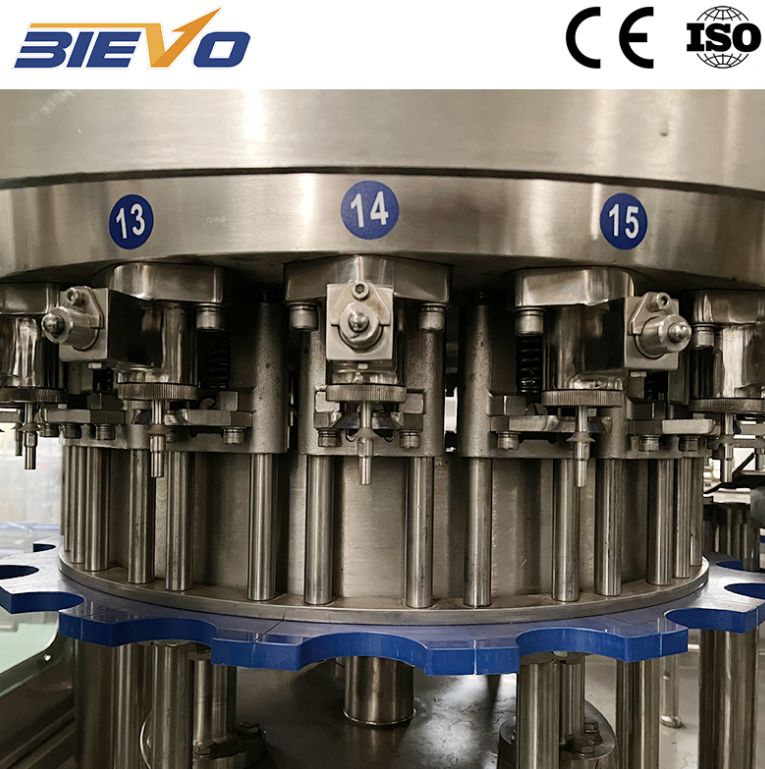
Pressure Is the Hidden Variable Behind Consistent Carbonation For a carbonated drink filling machine, pressure is not a background utility. It holds CO2 in solution long enough for product to reach the bottle or can without turning into foam. ...
VIEW MORE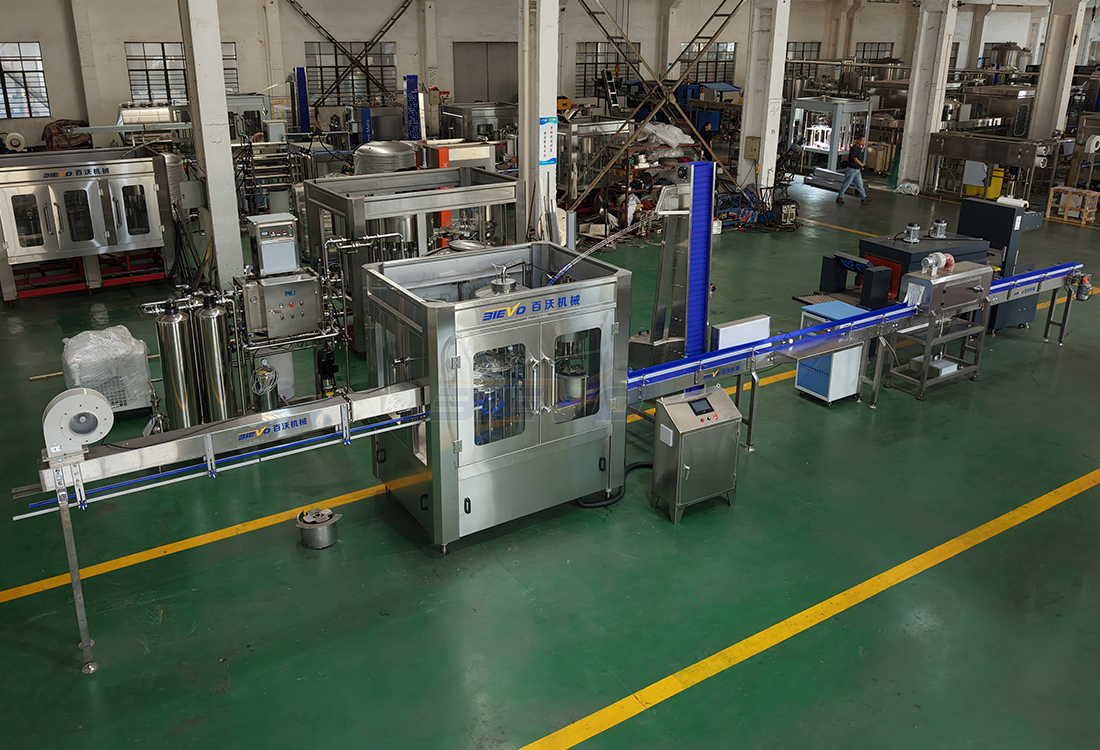
Pure water filling lines have become highly standardized, but the real competition lies in full-chain quality control. Unlike carbonated drinks that focus on pressure control or juice lines that focus on nutrient retention, pure water requires z...
VIEW MORE
Why Foam Shows Up Before the Bottle Is Even Full A carbonated drink filling machine has one job: move cold, pressurized liquid into a bottle without losing gas or making a mess. In practice, foam starts before the fill valve opens. Warm produc...
VIEW MORE
Start With Carbonation Chemistry, Not the Filler Nozzle A carbonated drink filling machine is often judged by line speed, but the harder job starts upstream. CO2 retention, fill temperature, bowl pressure, and bottle geometry decide whether a ...
VIEW MORE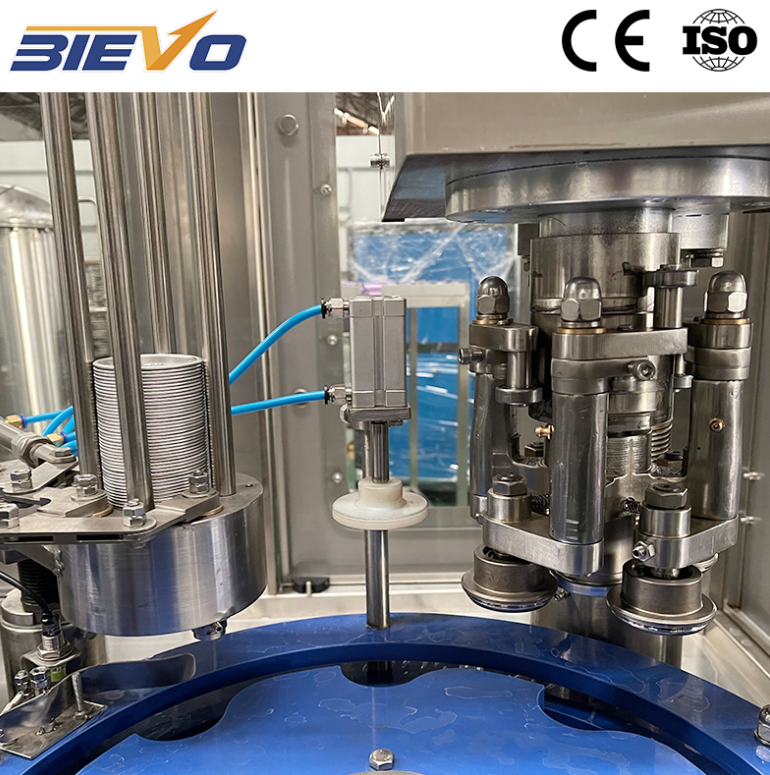
Efficiency Starts With Stable Counter-Pressure Filling A carbonated beverage filling machine does not create efficiency by running fast alone. It earns it by holding a stable counter-pressure at every filling valve while bottles arrive with co...
VIEW MORE
Start With a True Depressurization and Lockout Sequence Cleaning a carbonated beverage filling machine safely begins before any chemical touches the bowl or valves. Carbonated systems hold pressure and dissolved CO2, so an idle line can still ...
VIEW MORE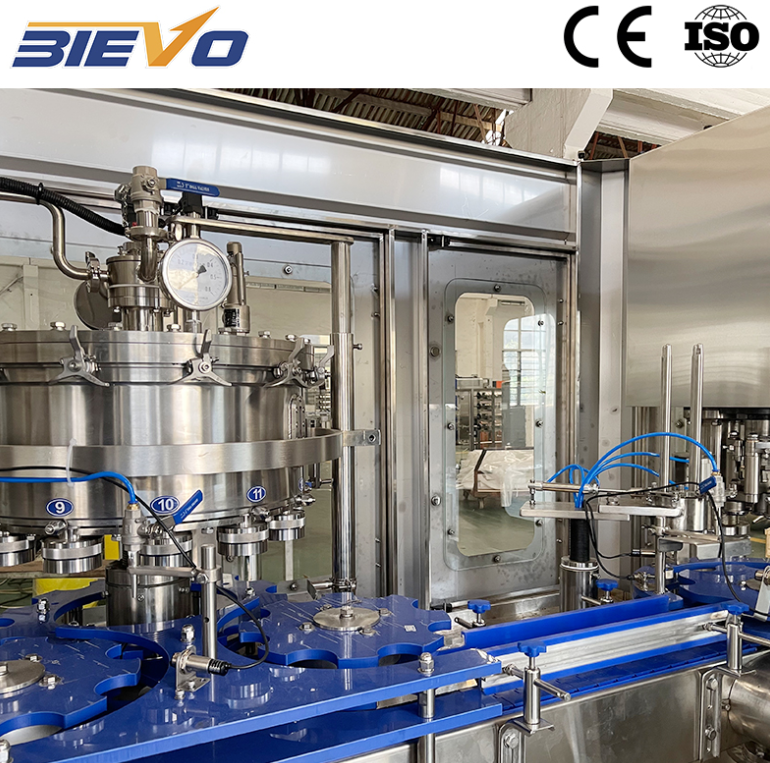
Fill Principle Matters More Than the Steel Frame Walk into a beverage plant and every can filling machine looks like a stainless turret with cans spinning around. The useful difference is inside the fill cycle. A can filling machine is us...
VIEW MORE
Start With the Fill Zone, Not the Control Screen A can filling machine can show a perfect recipe on the HMI while the real fill weight drifts two or three grams across the heads. The gap usually starts in the fill zone, not the screen. Before ...
VIEW MORE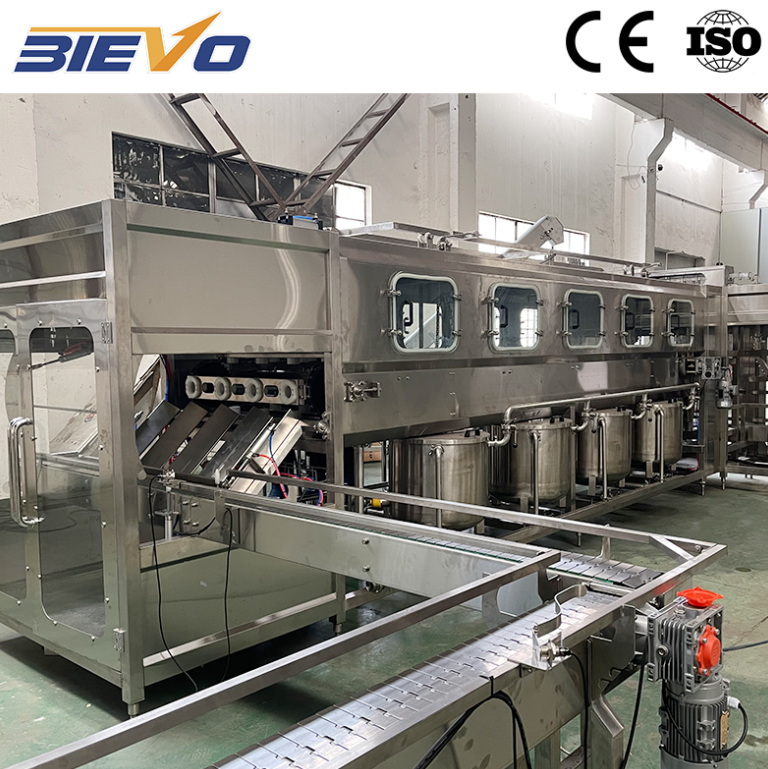
Rigorous Sanitation Regimens and Water Quality Management Extending operational longevity on liquid packaging lines requires strict control over liquid chemistry and microbial scaling. Mineral buildup inside filling valves, flow sensors, and liquid d...
VIEW MORE
Neglecting Daily Valve Seal Inspections and O-Ring Wear Profiles Bottling shop floors often focus on high-level production schedules while overlooking minor fluid handling components that dictate liquid accuracy and fill levels. Filling nozzles, elas...
VIEW MORE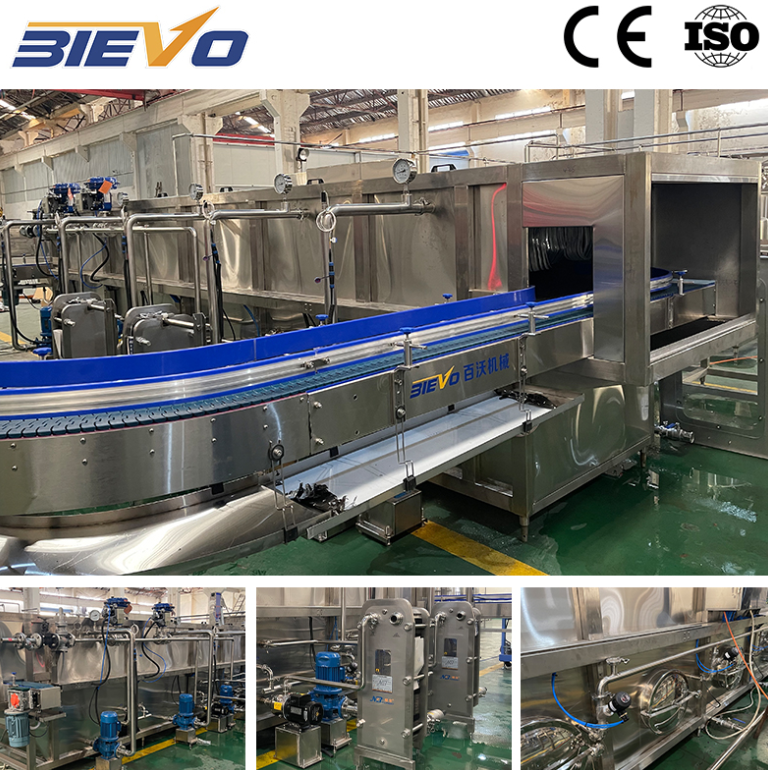
Container Rinsing and Thermal Conditioning Dynamics High-speed liquid packaging lines begin with physical container preparation to preserve beverage hygiene, remove foreign matter, and prevent thermal shock. Empty bottles travel through infeed star-w...
VIEW MORE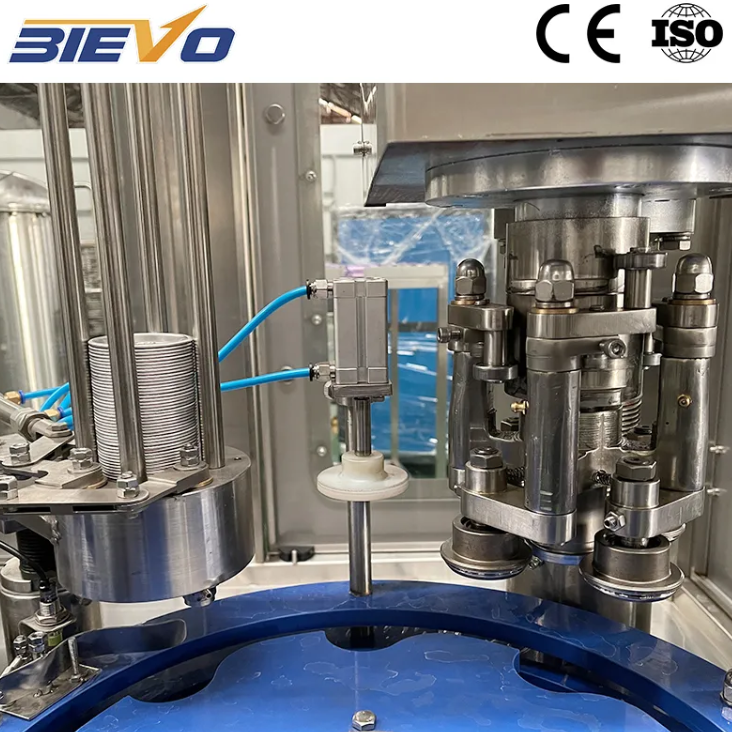
Star-Wheel Geometry and Infeed Conveyor Channel Calibrations Switching container profiles on high-speed bottling lines requires precise mechanical realignment across the entire bottle handling path. Moving from standard cylindrical PET bottles to squ...
VIEW MORECopyright © 2026 by Zhangjiagang City Bievo Machinery Co., Ltd.